
Without registration, you might face tax issues or even legal penalties. It’s not just about paperwork; it’s about building a solid foundation.
This guide will walk you through everything you need to know. You’ll learn which type of registration fits your business best.
We’ll also cover essential steps to avoid costly beginner mistakes. From choosing a name to filing documents, everything will be explained clearly. Let’s dive in!
Why You Should Register Your Business
Registering your business makes it officially legal in the eyes of the law. It separates your personal and business identity, keeping things organized and safe.
Many new business owners skip this step and face serious problems later. Here’s why registration matters:
- It protects your brand name from being copied or misused by others.
- It lets you open a business bank account and manage finances easily.
- It helps you build trust with customers and partners right from the start.
- It makes you eligible for loans, grants, and tax benefits in the future.
If you skip registration, you risk:
- Fines or penalties for operating without proper legal approval.
- Tax troubles due to unclear financial separation.
- Legal issues if someone else registers your business name before you.
Registering is simple, affordable, and worth every bit of effort.

Choose the Right Business Structure
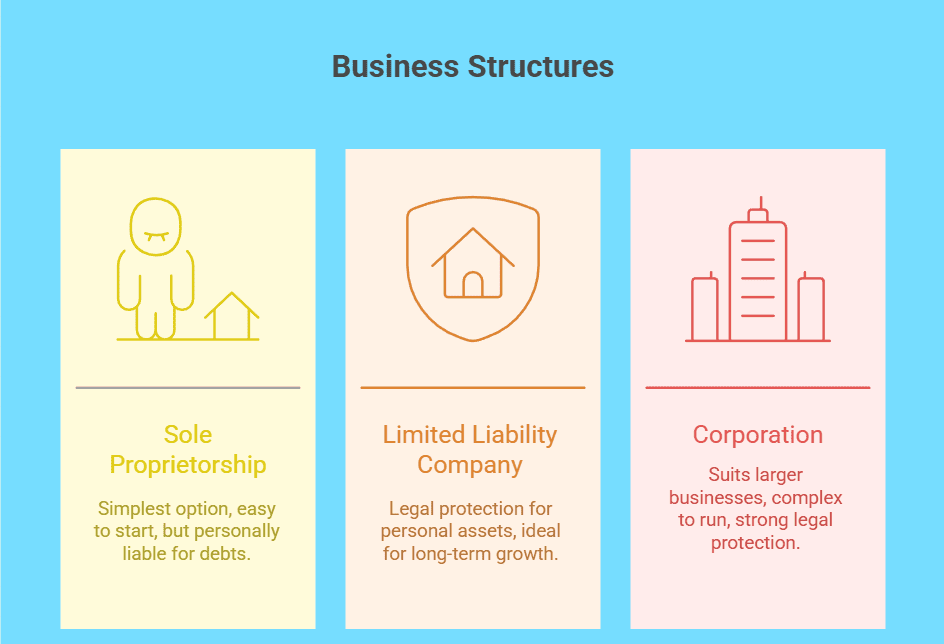
Before you register, you need to pick a business structure. Each structure affects taxes, responsibilities, and how your business operates. The right choice depends on your goals, budget, and growth plans.
Sole Proprietorship
This is the simplest option for new online entrepreneurs. It’s easy to start and costs very little to maintain yearly. However, you’re personally responsible for any business debts or losses.
Limited Liability Company (LLC)
An LLC gives legal protection for your personal assets and property. It’s slightly more expensive but ideal for long-term business growth. You’ll also enjoy flexibility in management and favorable tax options.
Corporation
A corporation suits larger or fast-growing online businesses with investors. It’s more complex to run and requires regular reports and meetings. But it offers strong legal protection and helps raise business credibility.
Decide on Your Business Name
Your business name is more than just a label; it’s your identity. A unique name helps you stand out and protects your brand legally. This makes it easy for customers to remember & trust you.
A good name should reflect your niche and be simple to spell. Avoid names that sound too similar to other registered businesses locally.
You want something that’s easy to find, type, and pronounce online. Before finalizing, check if the domain name is available. Also, confirm your name is free on major social media platforms.

That way, you keep your branding consistent everywhere you appear. Lastly, check your local business registration database for existing names.
It prevents conflicts and ensures your business is legally recognized. A little research upfront can save huge legal trouble later.

Understand Local and Online Business Regulations
Before running your business, you must understand local and online laws. Every state or country has unique rules, taxes, and license requirements. Ignoring these can lead to delays, fines, or even forced closure.
Why Regulations Matter
Local regulations decide how your business can operate and report taxes. They also determine whether you need permits, insurance, or safety measures. Online businesses often face extra rules about privacy, shipping, or advertising.
Different Rules for Different Businesses
| Business Type | Common Requirements |
| Selling Food | Health permits, local inspections, and a food safety license |
| Selling Products | Sales tax registration, consumer protection compliance |
| Selling Digital Goods | Copyright laws, digital sales tax, and privacy policy |
Always check your city, state, or federal websites for updated guidelines. It’s the best way to stay compliant and avoid unnecessary legal issues. Regulations may change, so review them regularly as your business grows.
Gather the Necessary Documents
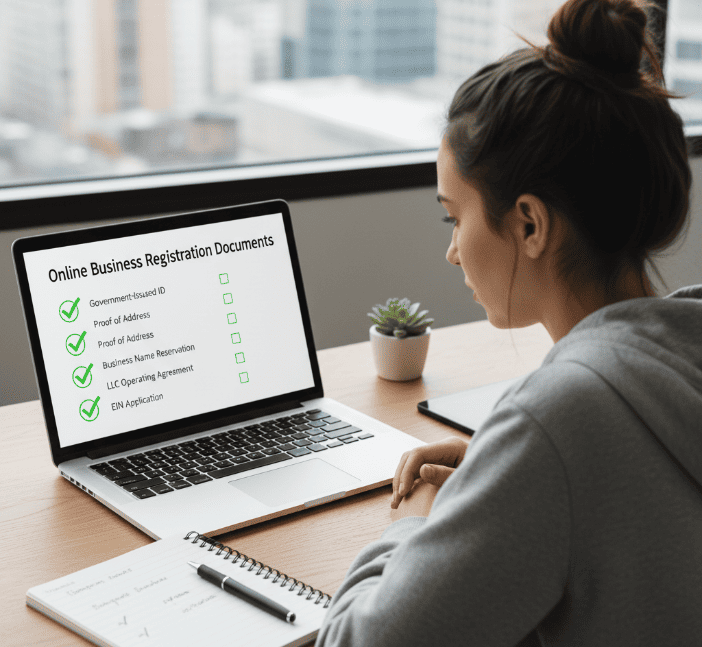
Before you start registration, get your documents ready in advance. Having everything prepared helps you avoid delays and saves valuable time. Different states or countries may ask for slightly different requirements.
Common Documents You’ll Need
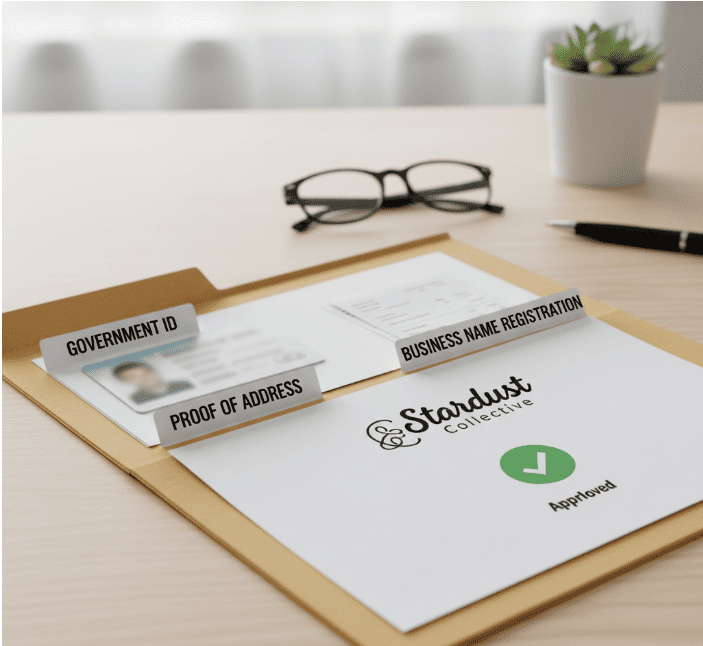
Most businesses need a few basic documents for legal registration. Here’s a quick list to help you stay organized and ready:
- Personal ID or Passport: Confirms your identity as the business owner.
- Proof of Address: Verifies your home or business location officially.
- Business Name Approval: Confirms that your chosen name is legally available.
- Business Plan (Optional): Some regions ask for it during registration.
Why Preparation Matters
Keeping digital copies of each file makes the process much faster. You can upload them directly without scanning or printing each time.
It also ensures you don’t lose anything during form submissions. Double-check that all documents are valid and clearly readable before applying.
Incorrect or missing details can delay your registration or cause rejection. Organize everything in a single folder to stay stress-free and efficient.
Apply for Tax Numbers and Permits
Once registered, your business will need a tax identification number. This number helps you report income, pay taxes, and stay compliant.
It’s also required for opening a business bank account legally. If you’re selling products online, VAT registration may also apply. Rules differ based on your country, region, and product type.
Always check your local tax office or website for clear guidance. Having these numbers early keeps your finances legal and transparent always.









Open a Business Bank Account
Separating personal and business finances keeps your records clean and simple. It helps you track income, manage expenses, and prepare taxes easily.
Without separation, it’s hard to know your actual business performance. A business bank account also boosts credibility with clients and partners.
It shows professionalism and helps you qualify for loans or credit. You’ll also find bookkeeping and financial reporting much smoother every month.
You can choose between local banks, online banks, or PayPal business accounts. Local banks offer personal support and easy access to physical branches.
Online banks provide convenience, lower fees, and fast digital transactions. PayPal business accounts are great for online payments and global customers.
Pick the option that matches your business needs and transaction volume. Once opened, use it only for business-related income and expenses.

Protect Your Brand and Business
Protecting your brand ensures your business stays safe and recognizable long-term. Start by trademarking your business name and logo to prevent misuse.
This gives you exclusive rights and builds a strong legal foundation. Next, secure your domain name before someone else registers it online.
A matching domain makes your business look professional and trustworthy instantly. Also, reserve your social media handles to maintain consistent branding everywhere.
These small steps now can save you from legal issues later. They also help prevent copycats or brand confusion in competitive markets.
Think of protection as insurance for your business identity and reputation. It’s easier and cheaper to secure your brand early on.
Common Mistakes to Avoid Before Registration
Starting a business can be exciting, but rushing often leads to mistakes. Many beginners skip crucial steps and end up facing avoidable legal issues.
Here are common errors you should avoid when registering your business:
1. Skipping Research on Business Structure
Each structure affects taxes, ownership, and personal liability differently. Without research, you might pick one that limits your growth options. Take time to compare sole proprietorship, LLC, and corporation benefits carefully.
2. Picking a Name That’s Already Taken
Using an existing name can cause legal disputes and brand confusion. Always check your local registry, domain availability, and social media handles. Make sure your name is unique and clearly represents your business.
3. Forgetting to Check Local Regulations
Every region has its own licensing and registration requirements. Ignoring them could result in fines or rejection of your application. Visit official websites or consult professionals before submitting your paperwork.
4. Mixing Personal and Business Finances Too Early
Combining both accounts creates tax confusion and tracking problems later. Open a dedicated business account once you start handling revenue.

Conclusion
Proper registration keeps your business safe, legal, and ready to grow. It protects your brand, simplifies taxes, and builds customer trust early.
Each step you take today reduces future risks and legal troubles. So, follow these steps carefully and register your business confidently now.
We recommend that you take action early. This will help you start strong and stay compliant long-term.