
That experience taught me something powerful: clarity creates direction, and direction creates measurable progress.
When your goals aren’t clear, the journey feels cloudy. But when your goals are simple, specific, and actionable, everything becomes easier. You know what to do, why you’re doing it, and how to measure success.
Throughout this guide, I’ll break down simple, practical steps that anyone, even complete beginners, can follow. You’ll learn how to create powerful goals, turn them into clear action steps, track your progress, stay flexible, and actually achieve what you set out to do.
By the end, you’ll feel confident and ready to move forward with clarity, direction, and measurable progress. Let’s dive in!
Start With a Clear Vision
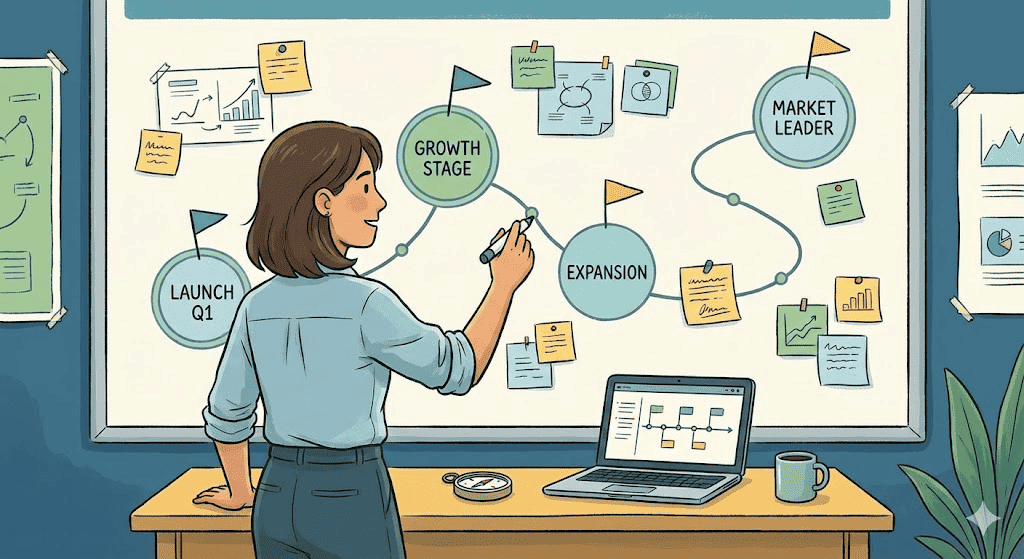
Before you write goals, you need a vision. A vision gives you direction. It answers the big questions: Where are you going? What do you want to build? What do you want your business to look like in the future?
Most people skip this step because they think it’s too big, too abstract, or too time-consuming. But defining your vision actually makes everything else easier.
A vision isn’t a complicated document. It’s simply a picture of what you want.
Try writing your 1-year, 3-year, and 5-year vision. Ask yourself:
- What do I want my business to achieve?
- Who do I want to serve?
- What impact do I want to make?
- What kind of lifestyle do I want this business to support?
Your answers don’t need to be perfect. They just need to be honest.
Use simple statements like:
- “I want to serve 500 online clients in 1 year.”
- “I want my business to generate stable revenue so I can quit my job.”
- “I want my business to become a trusted brand in my niche.”
When you define a vision, you give yourself a long-term direction. You give meaning to the goals you’ll create later.
I once coached someone who struggled with motivation. She consistently procrastinated, and she felt unsure about every business decision. But once she sat down and wrote a simple one-year vision, everything changed.
She suddenly knew her direction. She made decisions faster. She felt energised. She achieved more in three months than she had in the entire year before. Her vision gave her purpose-driven goals.
Takeaway:
Your long-term vision is the foundation for meaningful goals. Create a vision first, and the goals will follow naturally.

Set SMART Goals That Actually Work
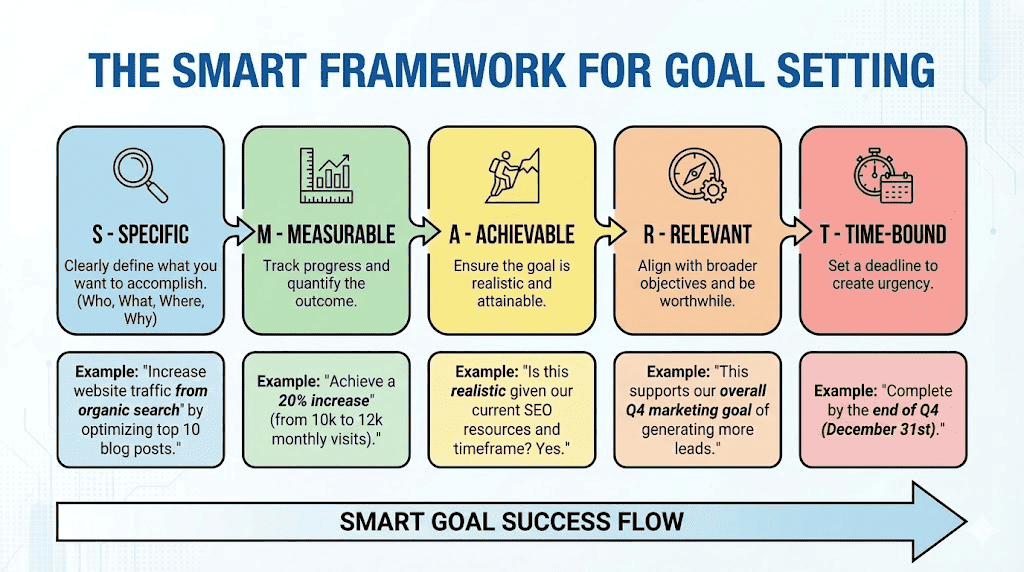
Once you have a vision, it’s time to turn it into goals, but not just any goals. You need SMART goals. SMART is one of the simplest and most effective frameworks for creating goals that stick.
SMART stands for:
- Specific
- Measurable
- Achievable
- Relevant
- Time-bound
Let’s break each one down.
Specific
Your goal must be clear and focused.
Not:
“I want to grow my business.”
Better:
“I want to get 20 new clients over the next 3 months.”
Measurable
You must be able to track it.
Not:
“I want to increase my presence online.”
Better:
“I want to publish 12 YouTube videos in 60 days.”
Achievable
Your goals should be realistic based on your current resources.
Not:
“I want 1 million followers in two months.”
Better:
“I want 5,000 new followers in three months.”
Relevant
The goal should support your bigger vision.
Not:
“I want to learn how to code” (if it’s unrelated to your business).
Better:
“I want to improve my website conversions by 20%.”
Time-bound
There must be a clear deadline.
Not:
“I want more sales.”
Better:
“I want to make $5,000 in sales by the end of the quarter.”
I once worked with someone who kept saying, “I want more customers.” He worked hard every day but couldn’t measure success. Once he switched to SMART goals and created a goal like “Get 15 new customers in the next 45 days,” he finally had clarity. He knew exactly what to aim for, what actions mattered, and how close he was to success.
Pro Tip Box
Focus on 1 to 3 high-impact goals at a time. Too many goals divide your attention. A few clear goals multiply your progress.
Takeaway:
SMART goals give you specific targets, trackable measurements, and realistic timelines so you can succeed with clarity.
Break Big Goals Into Small Steps
Big goals can feel exciting but also overwhelming. The trick is to break them down into small, manageable steps.
Think of your goal like a staircase. Each small task is a step. You don’t jump to the top; you climb it one step at a time.
For example, if your big goal is:
“Launch my new product in 90 days.”
Break it into steps like:
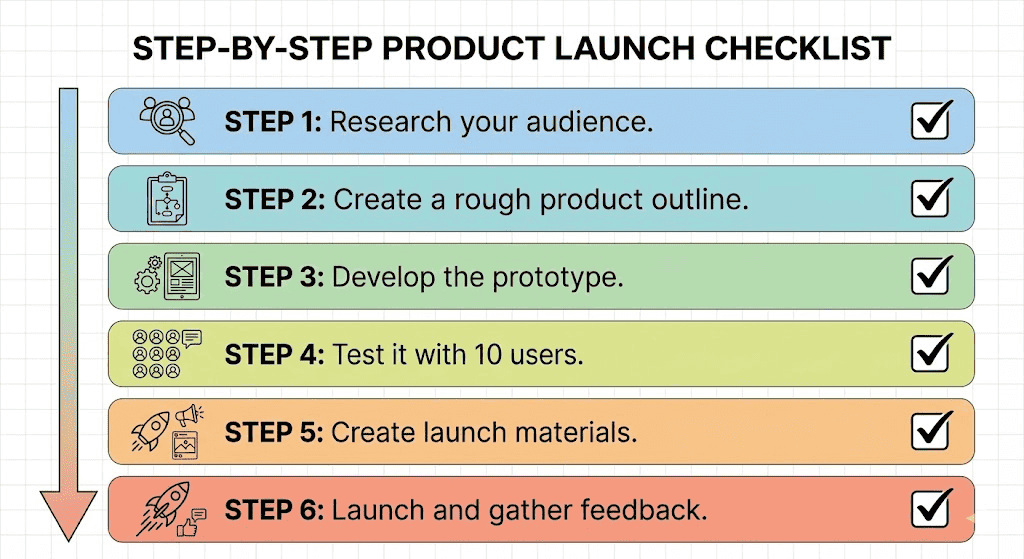
- Step 1: Research your audience.
- Step 2: Create a rough product outline.
- Step 3: Develop the prototype.
- Step 4: Test it with 10 users.
- Step 5: Create launch materials.
- Step 6: Launch and gather feedback.
These steps give your brain a path. You no longer feel overwhelmed. You feel organized and in control.
I once spoke to a business owner who wanted to launch a full course but kept procrastinating for seven months. Once we turned the project into 30 small tasks; including writing, designing, recording, editing; everything changed. She stopped delaying. She completed the course in five weeks. Small actionable steps created progress momentum.
Takeaway:
Break big goals into small steps to create small wins, build momentum, and stay consistent.
Track Your Progress Regularly
Tracking your goals is where the magic happens. Every successful person, entrepreneur, athlete, investor; tracks progress. Tracking keeps you accountable. It keeps you motivated. It lets you spot problems early.
You can track weekly, daily, or monthly; but weekly is best for most people. It’s frequent enough to make adjustments but not too time-consuming.
You can use:
- Google Sheets
- Notion
- A physical journal
- A simple notebook
- A goal tracking app
Track numbers like:
- How many leads did you get this week?
- How many sales did you make?
- How much content did you publish?
Tracking isn’t about obsessing. It’s about clarity.
One entrepreneur I coached noticed during her weekly review that 80% of her leads came from one type of content. She shifted all her energy to that content and tripled her monthly results. Her weekly review helped her correct the course mid-way and still hit her goal.
Takeaway:
When you review progress, you stay accountable and can adjust when needed.

Stay Flexible and Adapt as Needed
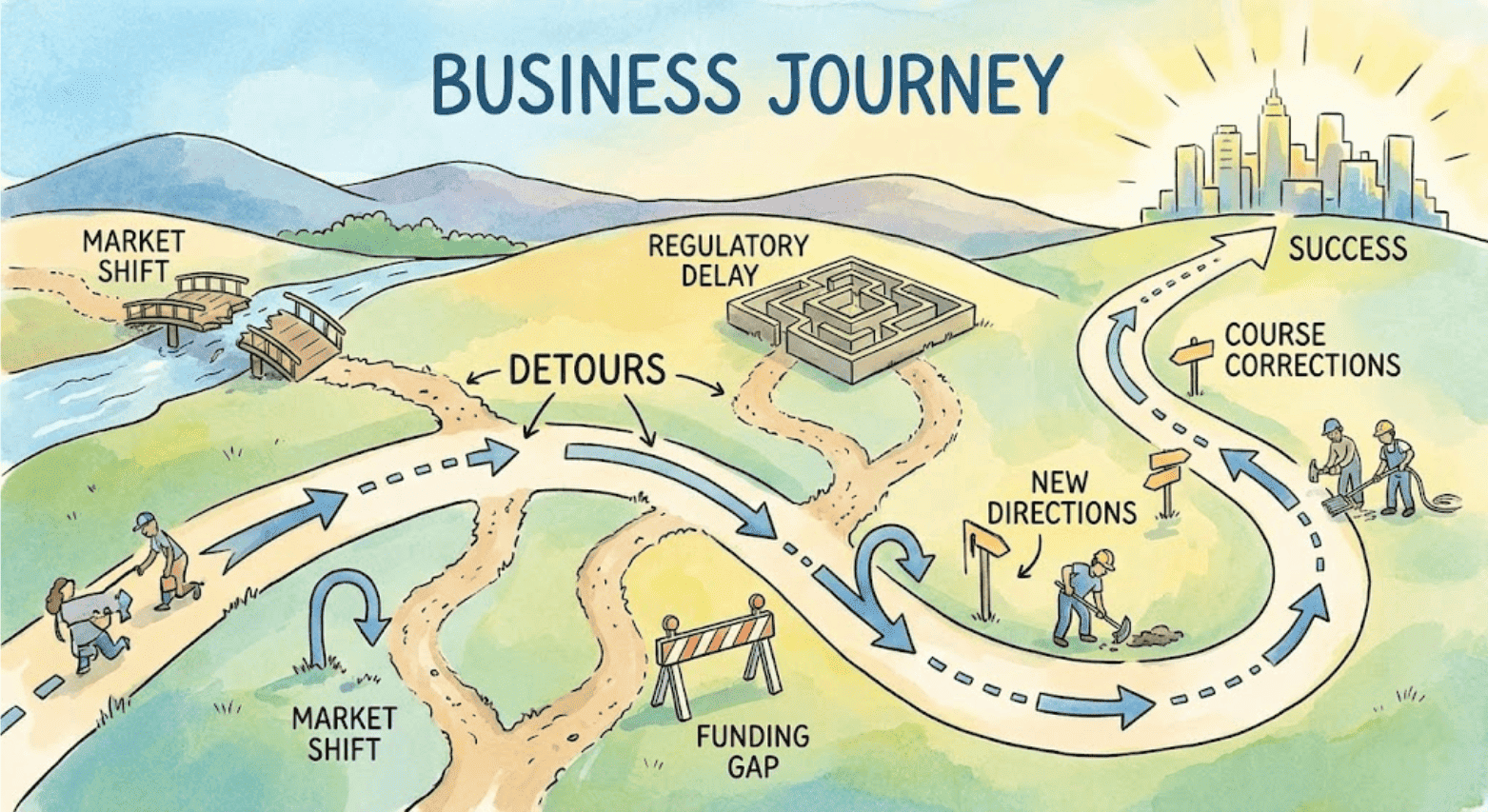
Goal-setting gives you direction, but flexibility keeps you alive. Markets change. Client behavior shifts. Personal situations arise. Plans don’t always go perfectly.
Your job is to stay adaptable.
For example:
- Your audience may change their expectations.
- Your niche may evolve quickly.
- Your marketing strategy may stop working.
- Your client feedback may show you a better path.
Being rigid creates frustration. Being flexible creates success.
I once worked with someone launching an online coaching program. Halfway through, she noticed that her audience wanted short video lessons instead of long group sessions. Instead of forcing her original plan, she adapted. Her launch performed three times better than expected because she practised smart adjustments.
Takeaway:
Stay flexible. Adapt to change. Use feedback to guide your next steps.
Celebrate Wins to Keep Momentum
Celebrations matter more than people think. When you celebrate progress, big or small, you reinforce good habits. You tell your brain, “This is working. Keep going.”
Ways to celebrate:
- Journal your wins
- Give yourself a small reward
- Share your progress with your team or community
- Take a break to acknowledge your efforts
- Create a “success board”
Celebrate things like:
- Hitting a sales target
- Finishing a product
- Reaching a performance milestone
I knew a business owner who celebrated every single milestone, even tiny ones like publishing three posts a week. Her energy stayed high. Her motivation stayed strong. She grew her business faster than people who had more experience but less consistency.
Recognising progress boosts motivation and reinforces habits.
Takeaway:
Use celebrations to sustain long-term momentum.
Conclusion
You now have a complete system for setting and achieving business goals with clarity and confidence.
To recap:
- Start with your vision
- Turn that vision into SMART goals
- Break big goals into small steps
- Track your progress
- Stay flexible
- Celebrate your wins
You don’t need complicated systems or fancy tools. You just need clear direction and consistent action.
Start with one step today. Don’t wait for the perfect moment. Take action today, stay focused, and measure your progress along the way.
Your goals are achievable, and this is the moment to go after them with confidence.