

Fifty books gave the theory. Eleven books gave real wealth blueprints. One night, I stacked all fifty books on my desk. I realized eighty percent said the same thing twice. The top twenty percent gave signals.
The top five percent gave leverage and systems. Those rare books teach speed, discipline, psychology, and scale. They reveal mistakes silently killing growth. They push you to think bigger, faster, and smarter. They demand action. They kill excuses.
I wish I had read this list first. But reading fifty books gave clarity. It taught what to discard, not just what to absorb. Now, you get the clearest, highest-value, richest books that matter. Get ready for real strategies that work, not recycled theory.
Let’s break them down, one at a time, with practical context!
1. The Millionaire Fastlane by MJ DeMarco
Most people grow wealth slowly, but this book rejects slow growth completely. MJ DeMarco explains that real wealth comes fast when systems scale. A job pays you linearly, but a system pays you exponentially.
Core thesis you learn early:
- Create massive value first.
- Then scale that value aggressively.
This book pushes you to think like an owner instead of a worker. It talks about leverage, speed, control, autonomy, and market size clearly. Traditional advice says “save ten percent forever.”
Fastlane thinking says, “build faster and smarter instead.” It reframes time as equity because time is your rarest asset. MJ explains the difference between work that drains you and work that scales you.
A quick story:
- I built a small digital funnel after reading this book.
- I stopped focusing on slow deliverables immediately.
- I focused on one system that could scale with demand.
Good systems return results quickly once real audience demand hits. The book covers CAC, iteration, unit economics, risk, reward, and velocity. MJ also warns against shortcuts disguised as real systems.
His rule stays simple:
- Build value first.
- Scale second.
- Automate last.
The book demands brutal accountability with no excuses or magic thinking. It pushes you to build products people truly need, not products you just enjoy. It forces you to ask if your business model is linear or scalable.
If it’s linear, you fix it fast or you kill it fast. Owners should own the system, not be owned by the system.
This book feels current even as examples change over time. It challenges your assumptions and forces a deep audit of speed, cost, funnels, and time.
It strips away trends, hype, and passive-income fantasies. Its message stays firm: build a bridge, not a ladder. Ladders climb slowly. Bridges scale fast once finished.
Pro Tip Box: Fastlane Principles
- Sell value fast
- Scale smart audiences
- Build systems before comfort
- Control your product, channel, data, and time
- No passive wealth without active value creation
Takeaway:
This book unlocks real business speed if you act on it.

2. Rich Dad Poor Dad by Robert Kiyosaki
This book is the starting point for real financial literacy for many people. It explains money in a simple, respectful way without feeling childish. Its core message is strong and very helpful for new entrepreneurs today.
Most people chase money fast, but real investors make money work instead. The book breaks down assets and liabilities in very practical terms.
Key ideas you learn quickly:
- Assets pay you consistently over long periods.
- Liabilities drain your pocket quietly every month.
- Simple definitions create powerful shifts when used daily.
The book moves you from paycheck thinking to portfolio thinking fast. It covers income streams, savings habits, and basic asset allocation clearly.
Many beginners jump into crypto or stocks without a real understanding. This book slows you down in a healthy and productive way.
Mindset becomes a major theme across every chapter. Your beliefs about money guide daily financial decisions quietly.
A story that sticks:
- Robert describes two dads with opposite money philosophies.
- One works for money.
- One builds assets that work for him instead.
That simple comparison stays in your head for years. The book also expands on what “assets” mean for modern creators. A business becomes an asset when it scales without heavy effort.
Financial literacy becomes the base layer before real investing begins. Schools rarely teach this, so the material feels empowering immediately.
Big takeaway:
- Plant financial seeds first.
- Chase Financial Shade later.
- Small habits and compounding assets quietly build long-term wealth.
This book shows that wealth begins when simple rules become daily behavior.
Takeaway:
This book is the foundation of financial thinking for modern creators.

3. Atomic Habits by James Clear
This book is not only about habits. It is actually about compounding identity into wealth. James Clear teaches the small daily actions that build massive long-term results. He focuses on systems, not goals. Systems beat goals when repeated weekly.
The book repeats one key idea: Small habits compound into giant results if repeated daily. I implemented tiny habits to make my work automatic. The result was less stress and more output every week.

He explains that 1 percent improvements fuel wealth faster than giant, inconsistent leaps. Most creators chase huge changes one day a week. James recommends small repeated actions instead. Small repeated improvements crush random bursts.
A repeating example:
- Workout once daily.
- Write one paragraph daily.
- Upload one video daily.
The book also teaches identity shifts. Habits stick when tied to who you want to become. Not what you want to do. Wealth is tied to repetition rate, not inspiration spikes. James also teaches triggers, habit stacking, feedback loops, friction reduction, and structuring cues.
One cue: I set my writing tool open before sleeping. The next morning, I naturally wrote without warming up. Cue systems remove procrastination. Procrastination silently kills compounding.
This book teaches ruthless reduction of friction. Make habits easier. Make decisions faster. Make outputs natural. James Clear does not hype anything. He focuses on psychology and engineering habit environments instead. People believe wealth is built in stages.
James proves it’s built in loops.
- Daily loops.
- Weekly loops.
- Monthly loops.
Financial growth loops mirror habit loops in business and attention. If you stay consistent, your work compounds into skill and income together.
Takeaway:
Wealth is built by repeated small actions, not random big leaps.

4. The Psychology of Money by Morgan Housel
This book taught me that finance is emotional before it is mathematical. Morgan explains that behavior matters more than formulas in long-term wealth. He focuses on psychology, patience, discipline, and avoiding emotional mistakes.
One story from personal observation:
I panic-sold an asset early in life because I reacted emotionally.
This book explains why emotional investing kills compounding silently. Morgan uses simple narratives to show what keeps people rich long-term. Not what makes them rich one day.
The key principles are:
- Stay calm.
- Stay patient.
- Stay consistent.
- Avoid noise.
- Protect your wealth.
These rules appear repetitive. That is the point. Because most billionaires act boring when protecting capital. Not flashy. Not dramatic. Not loud.
A real example:
I saw creators chase meme investments randomly. They won one week. Lost the next four. Morgan explains wealth needs patience, not weekly gambling disguised as strategy.
He also teaches luck vs risk frameworks fairly well. Your decisions must protect capital even while creating upside. That is risk-aware discipline combined with long-term orientation.
The book encourages avoiding investment addiction and social comparison. Social comparison drains money, courage, and system thinking badly. This book redirects you from noisy to meaningful financial behavior.
The core is simple: wealth stays longer when self-control stays longer.
All emotional impulses shorten compounding timelines unfairly. I read this again after watching markets get louder online. Morgan’s work keeps your mind steady while the internet stays unstable. That contrast builds financial maturity.
Takeaway:
Rich behavior beats flash. Patience protects wealth better than hype.

5. Think and Grow Rich by Napoleon Hill
This book is a mindset guide, yes, but also more than that. It feels like success engineering disguised as psychology for entrepreneurs. Napoleon explains desire, belief, imagination, masterminds, and focus very clearly.
I tried one idea right after finishing this book. I formed a small mastermind group with three focused entrepreneurs. We met weekly with zero noise and full accountability every time. No long debates. No theory spirals. Only clear execution and results.
This book teaches mental programming before profit programming even begins. Its core lessons push you to build a stronger mind first.
Key ideas include:
- Clear desire drives your daily effort.
- Focused ambition sharpens every business decision.
- Mental programming shapes your long-term discipline.
- Imagination acts like a real business skill.
Most creators forget that belief fuels business growth just like strategy. I learned this while reading the book on a long train ride. I realized mentality is a bigger lever than any common tool.
Core insights you’ll feel strongly:
- If the mind stays poor, strategies collapse quickly.
- If belief strengthens, opportunity multiplies weekly.
- Mastermind groups compound confidence and networks together.
The book feels old, but its success framework still feels timeless. Hill shows that many opportunity gaps are actually belief gaps instead. Fix belief first, then strategy becomes easier and wealth flows naturally.
I even used visualization for a new product launch later. I pictured its scale before building it slowly from scratch. That changed my planning speed and execution clarity instantly.
A real mindset breakthrough becomes a true money trigger fast. This book gives a foundation you can use at every business stage. It combines desire and discipline into a powerful long-term wealth engine.
Takeaway:
Your mind must desire wealth clearly, then build a strategy relentlessly.

6. The 4 Hour Workweek by Tim Ferriss
Tim Ferriss never says you should work only four hours weekly. He says you should design life first and design work after.
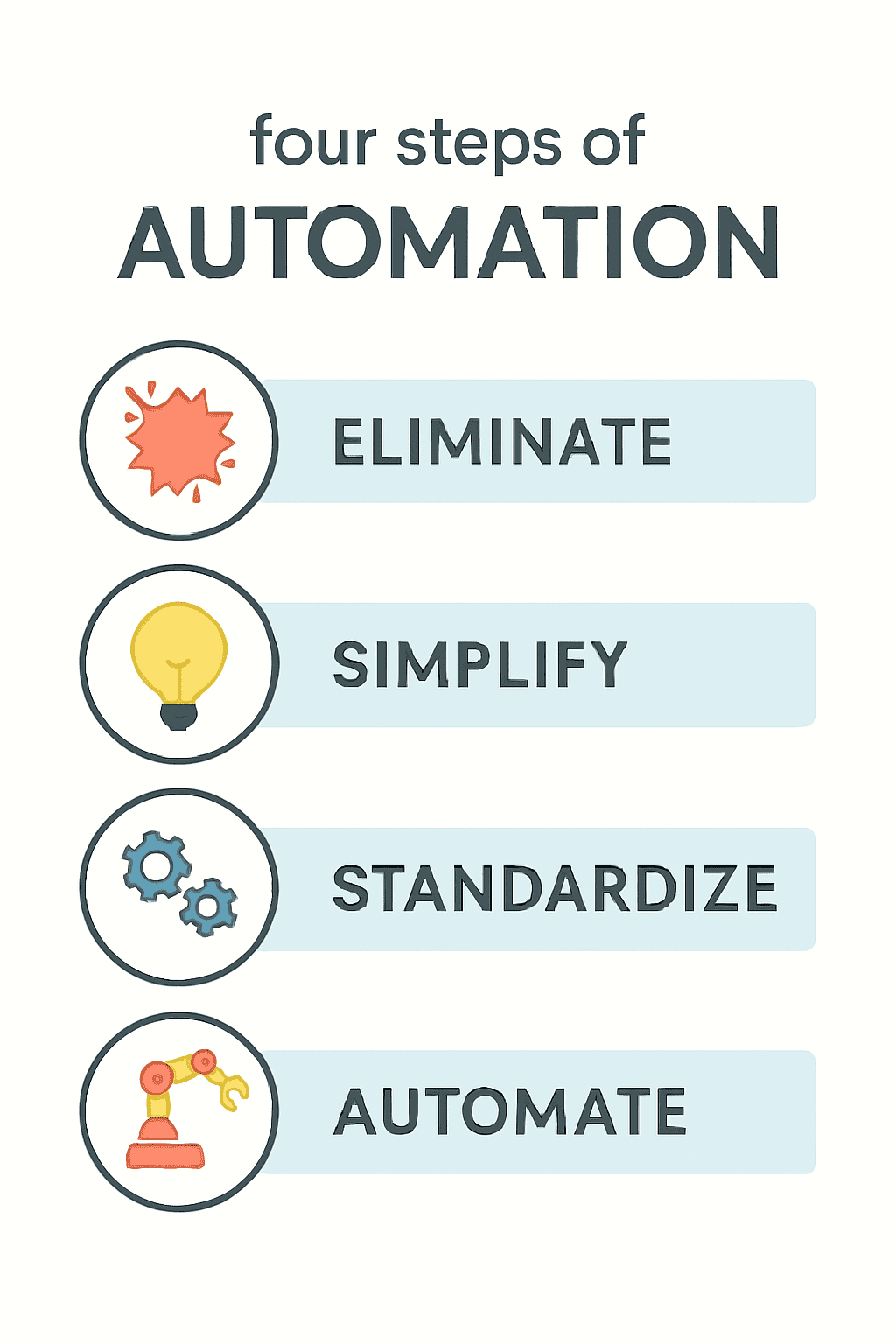
His bold ideas focus on working less, living more, and automating income. The core message is simple: outsourcing and automation free your time quickly.
A personal story:
- I felt nervous about delegating when I finished the book.
- I delegated customer replies and routine content soon after.
- I saved ten hours weekly and felt real growth returning.
Many creators grind eighty hours alone, and Ferriss calls that the founder trap. The trap feels logical, but it kills acceleration slowly.
Leverage only happens when systems and delegation come first. Comfort usually comes last in the freedom equation.
I tested outsourcing with a tiny budget:
- I hired a VA for five hours weekly.
- ChatGPT wrote reply templates.
- The VA handled delivery perfectly.
- My business kept running smoothly.
- My weekly load dropped instantly.
The book stays practical because it teaches implementation, not theory. Ferriss explains how quiet automation prevents burnout long-term. He also teaches lifestyle design, time autonomy, and opportunity leverage clearly.
Mini-retirements push creators to build systems instead of random tasks. Delegatable systems compound faster than personal labor ever can.
Key ideas that stick:
- Linear tasks never scale because only one person can do them.
- Delegatable micro-systems scale because they run without you.
- Small outsourcing experiments reduce risk and build confidence.
Start simple. Outsource small. Automate gently. Tim’s philosophy builds freedom through clear workflows and smart leverage.
Takeaway:
Outsource gently, automate smartly, and reinvest saved hours into growth.
7. The Almanack of Naval Ravikant by Eric Jorgenson
Naval Ravikant taught me to leverage more than traditional business tactics. His words hit fast with ideas like specific knowledge, accountability, and compounding yourself. The book turns long interviews into clear wealth-engineering principles.
Naval shows that wealth grows through skill leverage, not time leverage alone. One night, I read the book quietly with a cup of tea. I realized that self-compounding is a real strategy too.
You invest in your skills, and they compound every year. Then your income compounds because new skills attract new opportunities.
Naval’s core concepts:
- Specific knowledge builds unfair leverage.
- Generic skills rarely scale well.
- Passionate mastery beats borrowed expertise.
He also teaches public accountability and confidence-building. Confidence shared openly attracts opportunities fast. People fear starting, but Naval shows that starting is the first leverage point.
His framework brings instant clarity:
- Your compound skills.
- Your compound reputation.
- Your compound leverage.
When these stacks align weekly, wealth compounds quietly next.
The book feels short, but the impact feels deep. It teaches you to build rare skills and improve them consistently. Most creators chase trends they don’t care about long-term.
Naval says you should chase mastery you enjoy instead. Enjoyment fuels repetition. Repetition fuels compounding. Compounding fuels wealth.
After reading, I started building a new skill seriously each week. Growth felt personal, and income felt achievable yearly.
Naval doesn’t celebrate nonstop hustle. He celebrates smart leverage built through skills, authenticity, and systems.
Takeaway:
Compound yourself first. Wealth naturally accelerates after skill leverage begins.

8. The Lean Startup by Eric Ries
This book taught me how to test business ideas without losing capital. Eric shows creators how to test small before scaling hard. His bold ideas revolve around validated learning, minimum viable products, and quick testing.
Most creators launch big products before checking real demand. Eric teaches you to launch small MVPs so the weekly waste stays minimal.
A quick story:
I built a simple MVP for a client one weekend. We tested demand with a single landing page. No fancy design. No huge automations. Just one clean test.
The audience clicked instantly, which proved real interest. Then we scaled with confidence the next week. That small test quietly saved future capital.
The book promotes tight feedback loops:
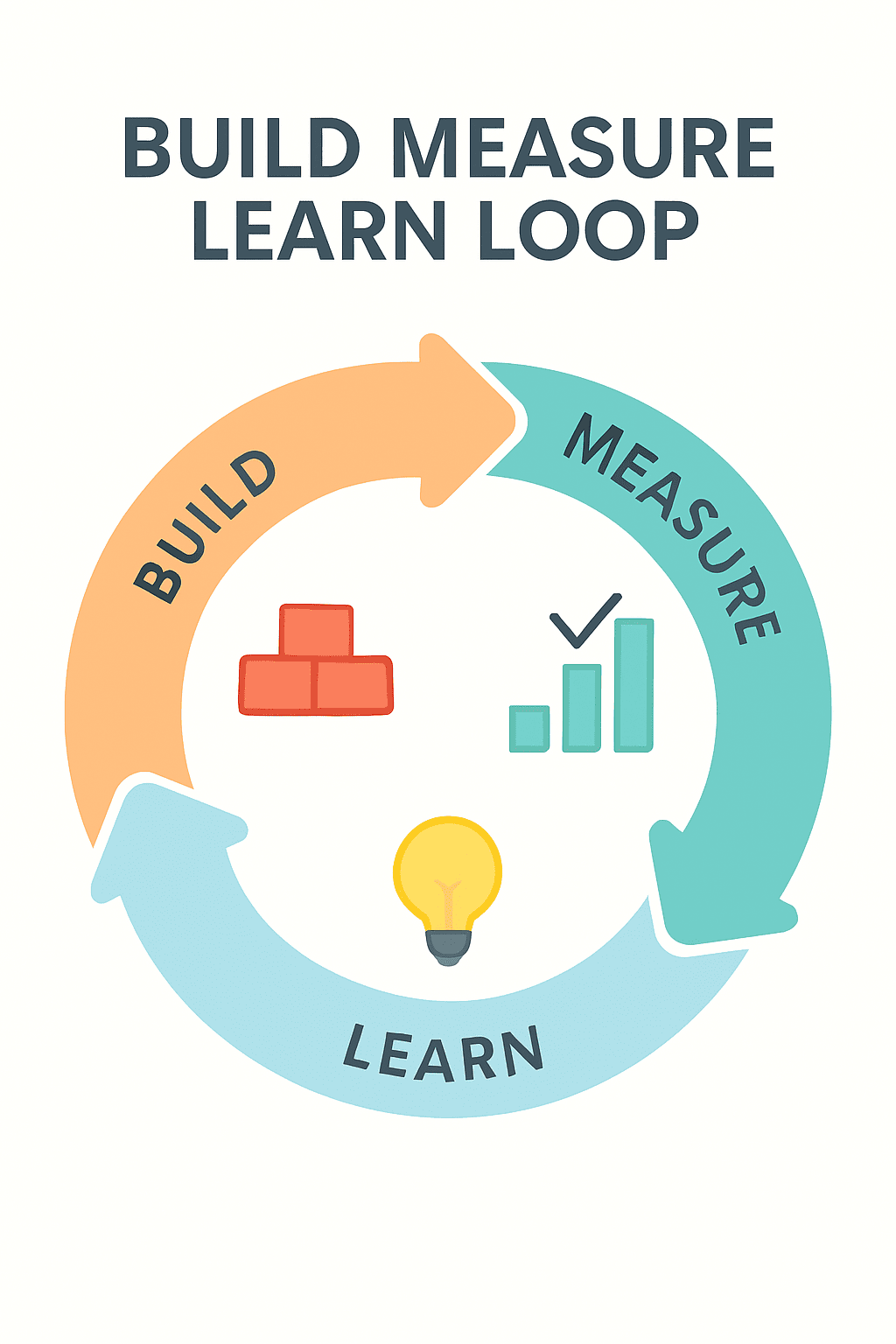
- Build small.
- Test fast.
- Learn quickly.
- Repeat weekly.
Creators often fear failure. Eric reframes cheap testing as a strategy, not failure. Waste kills wealth faster than small experiments ever will.
He gives a playbook for tiny tests creators can afford every week. Your decisions become data-backed instead of ego-backed quickly. I used spreadsheets less and validated learning more each week.
The book also explains hypotheses and validation signals clearly. Audience feedback becomes your compass, not your trophy. A compass guides you long-term, even when trends shift fast.
It also stresses iteration rate as a core advantage. Fast iteration beats perfect product fantasies every single time. Launch small weekly experiments and let data guide direction.
Takeaway:
Test ideas cheaply, scale winners smartly, kill waste quietly weekly.
9. The One Thing by Gary Keller
This book taught me that focused work beats juggling tasks every single time. Its bold ideas stick instantly: focus, clarity, doing less, achieving more.
Many creators overwork because they think multitasking builds momentum. It doesn’t. Multitasking kills speed and destroys compounding quietly.
Gary explains that one key task becomes your weekly wealth domino. If that domino falls, every other result moves next.
A quick story:
My weeks used to look chaotic with ten half-finished tasks. After reading this book, I picked one high-value task weekly. I finish it every Monday without distractions. The progress unlocked faster momentum immediately.
Many creators believe daily chaos is normal and necessary. Gary teaches the opposite approach with simple system logic. Pick one important skill or revenue domino each season.
Protect that time slot harshly, so your focus never breaks. Distraction is the real enemy, not competition. Gary covers priority filtering and mental load management, too:
- Fewer priorities create stronger leverage.
- One priority repeated weekly becomes a wealth trigger.
- One season, one mission, one skill works reliably.
Many students chase ten skills and burn out fast. Gary recommends mastering one skill deeply before shifting next. That makes compounding easier every single year.
This book engineered weekly simplicity and daily clarity. The result is a stronger focus, faster output, and bigger long-term profits.
Takeaway:
Pick one revenue domino weekly. Protect it harshly. Execute it fully.
10. Deep Work by Cal Newport
Cal taught focus differently from Gary, but more deeply. Gary talks about priority focus. Cal talks focus depth. His bold idea stacks are: focus depth, no distractions, and high-value work.
Most creators do surface work because focus is hard. Deep work multiplies output unfairly fast when practiced weekly.
One story:
I closed notifications for ninety minutes weekly. I wrote content more deeply instead of faster. The reach and clarity improved yearly.
This book explains distraction economics more visually. The distraction PS cost is not shown on your bank statement. But PS loss hits long-term compounding badly.
One morning, I applied the no-distraction rule to one client funnel build. The system got cleaner, faster, and value-packed weekly after that. Most small brands do quick, shallow work.
Big creators do deep, undistracted work occasionally first. That occasional depth compounds into skill and trust together.
Then income compounds next year.
- Depth first.
- Speed next.
- Comfort last
This book taught me undistracted skill first. Profit quietly arrived next after skill compounding began.
Takeaway:
Deep concentration compounds better quality, trust, skill, clarity, then wealth yearly.

11. The E Myth Revisited by Michael Gerber
This book exposes founder traps clearly. Founders mistakenly believe that working more inside the business means growth.
It does not. Working on business systems means growth instead. Bold idea stacks: build systems, delegate smartly, think like a CEO.
A story:
My friend used to handle every task alone weekly. He added systems and delegations after this book. Weekly workload got lighter. Business health got stronger. Income is scaled yearly after that.
Gerber teaches building simple systems that others can run weekly. Not complex founder-only loops that only one person can run badly.
Delegation is not a weakness. Delegation is leverage. Michael repeats that founders often hire workers but do not design systems first. That traps growth badly.
- Design system first.
- Hire next.
- Scale last.
This book showed me that delegation without systems just creates more noise. So design systems then delegate smartly weekly for bigger long-term growth.
Most creators only buy tools. E Myth says first build systems that plug tools inside nicely. That mindset shift is a system-first orientation for solopreneur wealth later.
Takeaway:
Think like a CEO, engineer systems weekly, delegate them yearly, scale wealth later.

Conclusion
I filtered fifty books down to eleven core picks carefully. These books are practical, tested, and built to change your income monthly.
They push wealth-building habits, better decisions, and real skills that pay. You can grow yearly if you apply one idea weekly. You can transform in months if you compound skills daily.
Books alone won’t make you rich. Execution of rich ideas will actually make you rich yearly. Pick one book this week. Read it seriously. Extract one idea. Apply it fully. Repeat weekly.
Your wealth will compound silently well. That compounding will change your income yearly. That is how you win long-term with books that matter.
Try one idea today. You will feel the difference instantly in clarity and momentum. Remember to control your time, protect your capital, and compound yourself.
Start small, repeat consistent systems, unlock real wealth yearly. You do not need fifty books. You only need the right eleven ideas applied weekly.