

This guide will help you compare both types side by side. We’ll look at pricing, performance, features, and which is best when. By the end, you’ll know which HostGator plan fits your needs.
Let’s break it down in simple terms so it’s easy to decide. No tech jargon, just clear comparisons to help you move forward.

What is Shared Hosting?
Shared hosting means your website shares space with other websites. All sites use the same server resources like memory and storage.
Thus, shared hosting is affordable and simple for most users. It’s a great option for beginners, bloggers, or small businesses. You don’t need technical skills to manage a shared hosting plan.
HostGator’s shared hosting includes a free domain and SSL certificate. You also get one-click WordPress installs and 24/7 customer support.
The dashboard is clean and easy to use for anyone. It includes unmetered bandwidth, so traffic spikes won’t crash your site. HostGator even offers free website transfers for new customers.
The plan supports emails, subdomains, and basic website backups too. It’s best for sites with low to moderate traffic every month.
If you just need a fast, cheap setup, this works well. Shared hosting is budget-friendly, simple, and ideal for smaller websites.
What is VPS Hosting?
VPS stands for Virtual Private Server hosting on shared physical hardware. You get dedicated resources, so your site won’t be slowed by neighbors.
It’s much faster and more reliable than basic shared hosting plans. You also get more control over your hosting environment and settings.
VPS hosting is great for growing businesses or high-traffic websites. It offers better performance, especially when running resource-heavy apps or scripts.
HostGator’s VPS hosting includes full root access and advanced configuration tools. You can install custom software and tweak server performance as needed.
HostGator also provides weekly off-site backups. The support team is available 24/7 to help with technical needs. You get scalable resources, so you can upgrade as traffic grows.
It’s perfect for developers, eCommerce sites, and businesses wanting more control. VPS hosting balances power, speed, and flexibility for serious website growth.
Differences Between Shared vs VPS Hosting
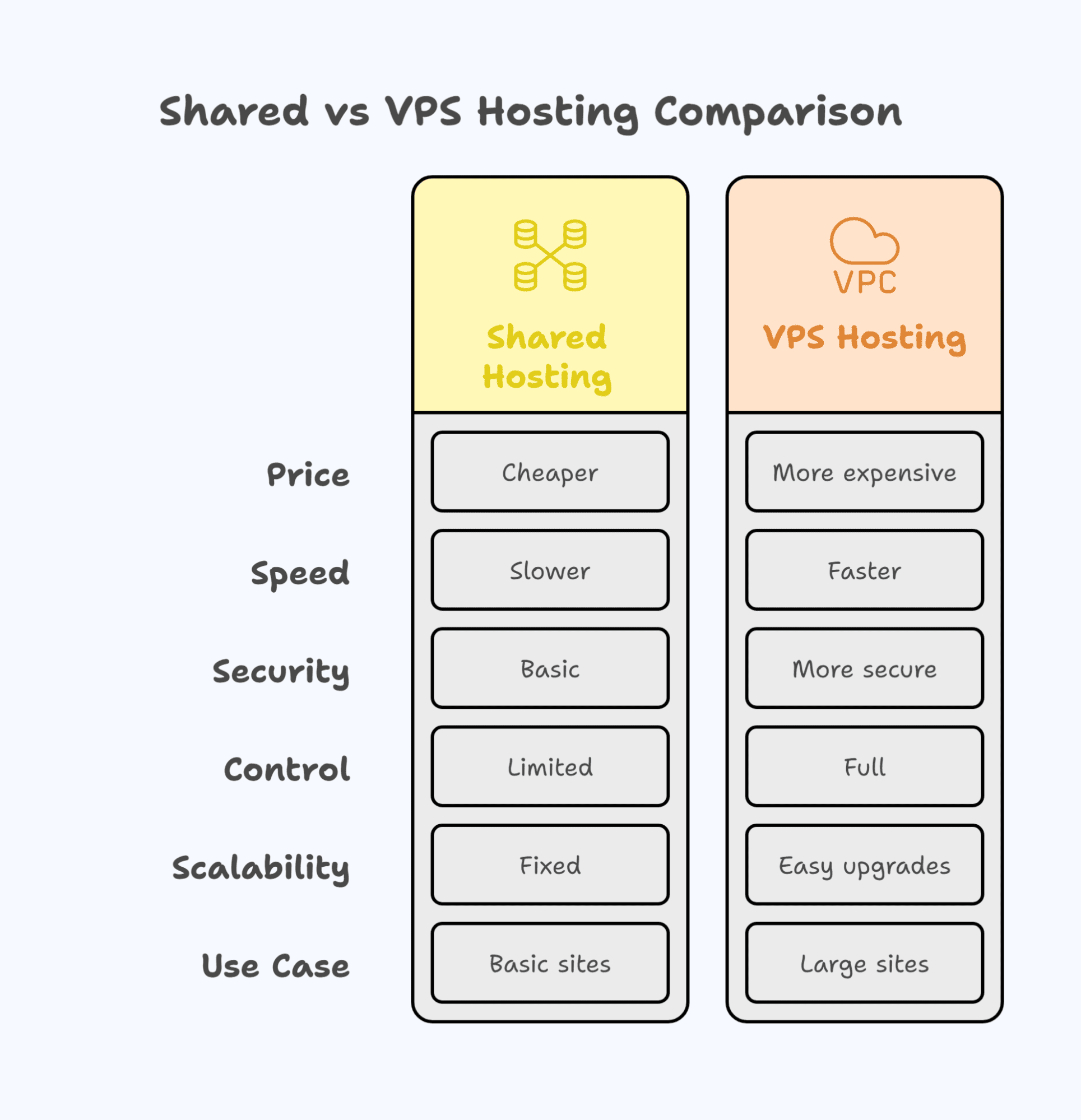
Shared and VPS hosting both serve different types of users and needs. Understanding the key differences helps you choose the right plan faster.
Price
- Shared hosting is cheaper and great for beginners or small sites.
- VPS hosting costs more but provides better performance and control.
Speed
- Shared plans can slow down when other users use more resources.
- VPS gives you dedicated speed and resources for consistent performance.
Security
- Shared hosting has basic security, but risks come from other users.
- VPS is more secure since your environment is isolated from others.
Control
- Shared hosting has limited customization and no root access features.
- VPS hosting lets you install software and configure the server freely.
Scalability
- Shared hosting has fixed resources and may not handle traffic spikes.
- VPS hosting allows easy upgrades as your site starts to grow.
Use Case
- Choose shared hosting for blogs, portfolios, or basic business sites.
- Choose VPS for large sites, apps, stores, or high-traffic platforms.
Each option fits a purpose: your needs decide which is right.
When Should You Choose Shared Hosting
Shared hosting is a solid choice for many new or small websites. It gives you the essentials without needing technical experience or big budgets.
Choose shared hosting if:
- You’re just getting started online and want something affordable.
- Your website is small, like a blog, portfolio, or local business.
- You expect low to moderate traffic and don’t need fast performance.
- You don’t need advanced tools or full control over the server.
- You want an easy setup with one-click installs and support.
HostGator’s shared hosting is beginner-friendly and includes helpful features:
- Free website builder for quick, drag-and-drop designs.
- One-click installations for WordPress and other apps.
- Unmetered bandwidth to support daily visitors easily.
- Free SSL certificate to keep your site secure.
If your goals are simple and you want to save money, shared hosting is likely the perfect place to begin.

When to Choose VPS Hosting
VPS hosting is great for websites that need more speed and power. It’s the smart step up when shared hosting can’t keep up anymore.
Choose VPS hosting if:
- Your site gets high traffic and needs better loading times.
- You run an eCommerce store that handles customer data and payments.
- You use resource-heavy plugins or run custom applications.
- You want more server control to install software or tweak settings.
- You plan to scale and need reliable performance during growth.
HostGator’s VPS hosting offers more dedicated resources and flexibility. You get root access, which means full control over your environment.
You can customize server settings to meet your project’s needs. It also boosts security with isolated environments and stronger protection.
If your site is growing fast or you need more performance, VPS hosting gives you the tools to scale with confidence.

Pricing of HostGator Shared & VPS Hosting
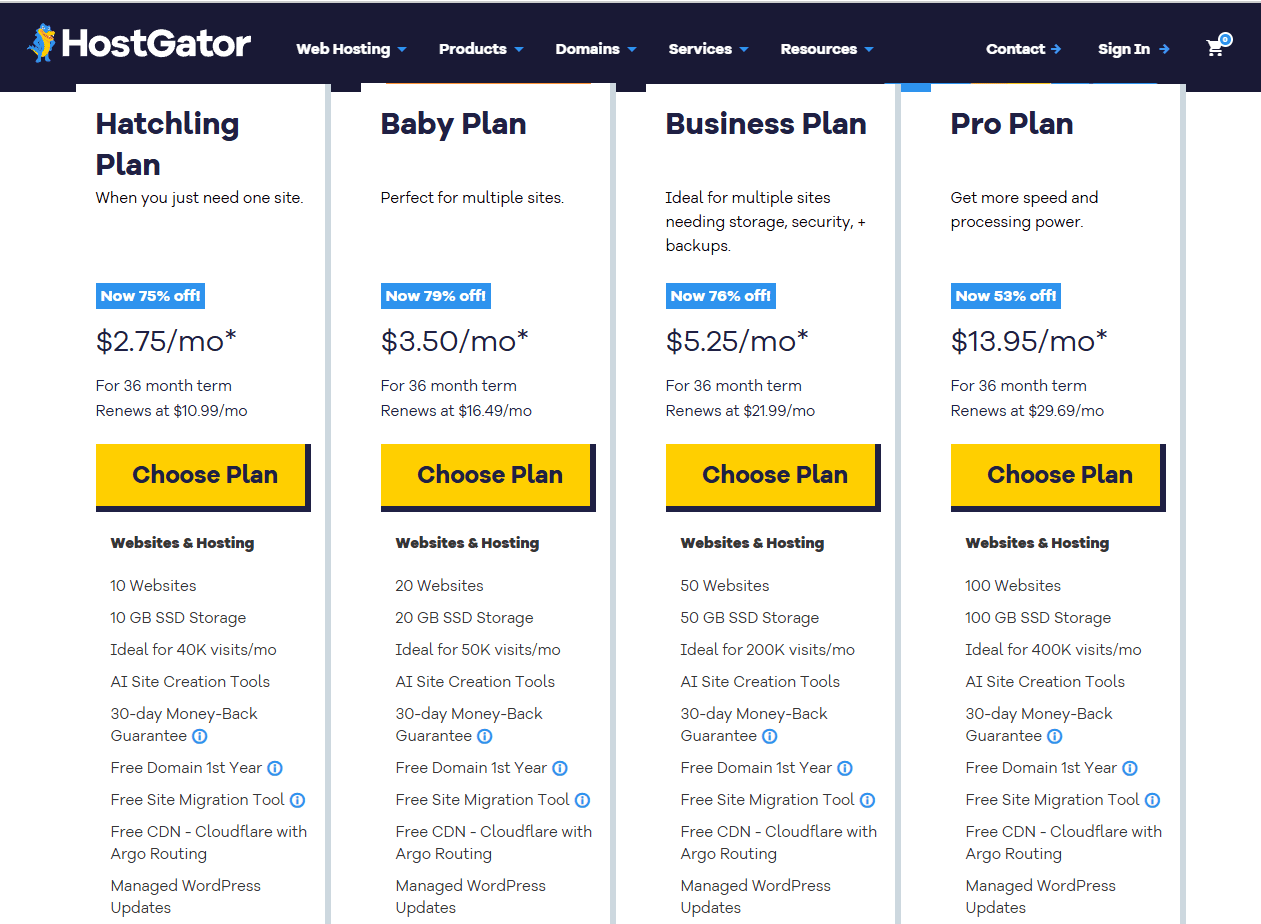
HostGator offers affordable plans for both beginners and growing businesses. Shared hosting is cheaper, ideal for personal sites or small projects.
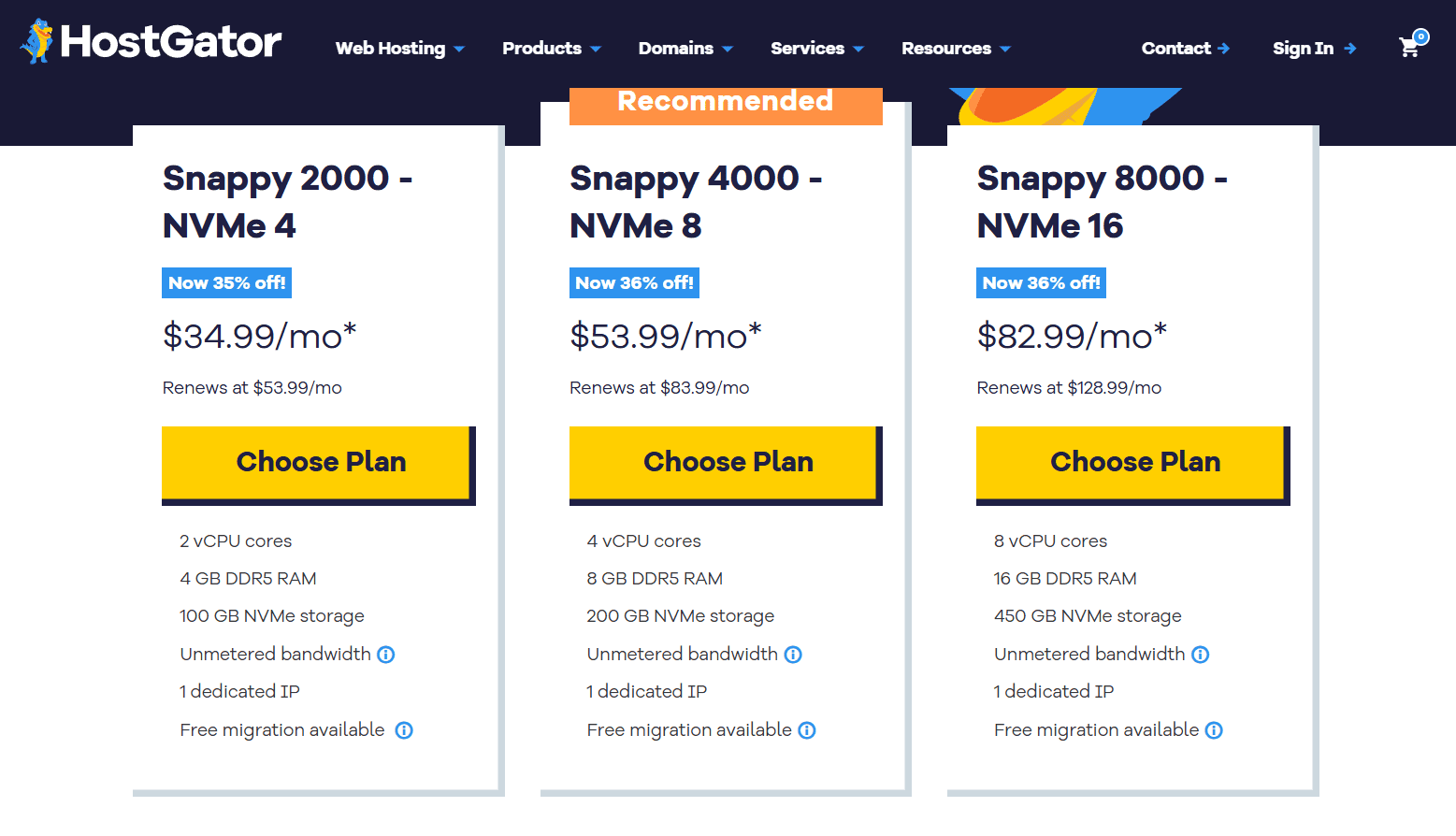
VPS hosting costs more but gives better speed, security, and flexibility. Here’s a side-by-side pricing comparison:
| Plan Type | Tier | Starting Price (Monthly) | Includes |
| Shared Hosting | Hatchling Plan | $2.75/month | 1 site, free domain, unmetered bandwidth |
| Baby Plan | $3.50/month | Unlimited sites, free SSL, unmetered bandwidth | |
| Business Plan | $5.25/month | Free upgrades, dedicated IP, SEO tools | |
| VPS Hosting | Snappy 2000 | $34.99/month | 2GB RAM, 2 cores, 120GB disk, full root access |
| Snappy 4000 | $53.99/month | 4GB RAM, 2 cores, 165GB disk, scalable resources | |
| Snappy 8000 | $82.99/month | 8GB RAM, 4 cores, 240GB disk, advanced control |
Shared hosting wins on price. VPS wins on power and performance. Choose based on your current needs and how fast you expect to grow.


How to Pick the Right Option?
Choosing between shared and VPS hosting doesn’t have to be hard. Follow these three simple steps to make the best decision today.
Check Your Budget
Shared hosting is more affordable for new or budget-conscious users. VPS hosting costs more but provides extra power and flexibility.
Check Your Website Size
Shared hosting works well for simple websites with lower daily traffic. If you run eCommerce or resource-heavy sites, go with VPS instead.
Check Your Growth Plans
Shared hosting is fine if you won’t scale fast or need extras. But VPS is better if you expect traffic growth or new tools.
Shared hosting is great for beginners and small businesses. VPS hosting suits bigger websites or serious long-term business plans. Pick based on your needs and how fast you want to grow.