
Best Tools for Creating Websites, Landing Pages, Courses, and Selling Digital Products
You’ve probably thought about this already. Build a website, create a simple page, maybe sell a course or digital product online without writing a single


This tells you something simple. Preparation matters.
In this guide, I will walk you through four crucial steps every business owner should follow before applying for a loan. These steps can improve your approval chances, strengthen your negotiation position, and reduce financial stress in the future.

The biggest mistake I see is vague borrowing. “I need money to grow.” That sentence alone weakens your application.
Lenders want to see purpose. They want to understand how the money will generate cash flow that supports repayment. When your reason is specific, your credibility increases immediately.
Start by answering three questions in writing:
Here are examples of strong purposes.
When your plan connects funding to measurable growth, lenders see logic instead of hope.
Before you apply for a loan, your financial statements should tell a clean and understandable story. If you cannot explain your revenue trend or margin structure clearly, the lender will assume risk.
At a minimum, you should prepare:
Lenders analyze consistency. They look at:
Cash flow is especially important. A lender wants to see that your business generates enough income to cover loan payments comfortably.

Many business owners underestimate how much credit history matters. Even if you apply under your business entity, lenders often review your personal credit, especially for small businesses.
Before applying, review:
Here are improvements you can make.
A stronger credit profile does two things. It improves approval chances and lowers interest rates. Over a five-year loan, even a one percent lower rate can save thousands of dollars.

Not all loans are equal. The wrong structure can quietly strain your cash flow.
You need to evaluate:
For example:
Loan Type | Term | Rate | Monthly Payment Impact |
5-year term loan | 5 years | 8% | Higher payment, shorter obligation |
10-year SBA loan | 10 years | 7% | Lower payment, longer commitment |
Short-term online loan | 1 to 2 years | 15%+ | Very high cash flow pressure |
Lower monthly payments may feel easier, but longer terms increase total interest paid. Shorter terms reduce interest but increase payment pressure.
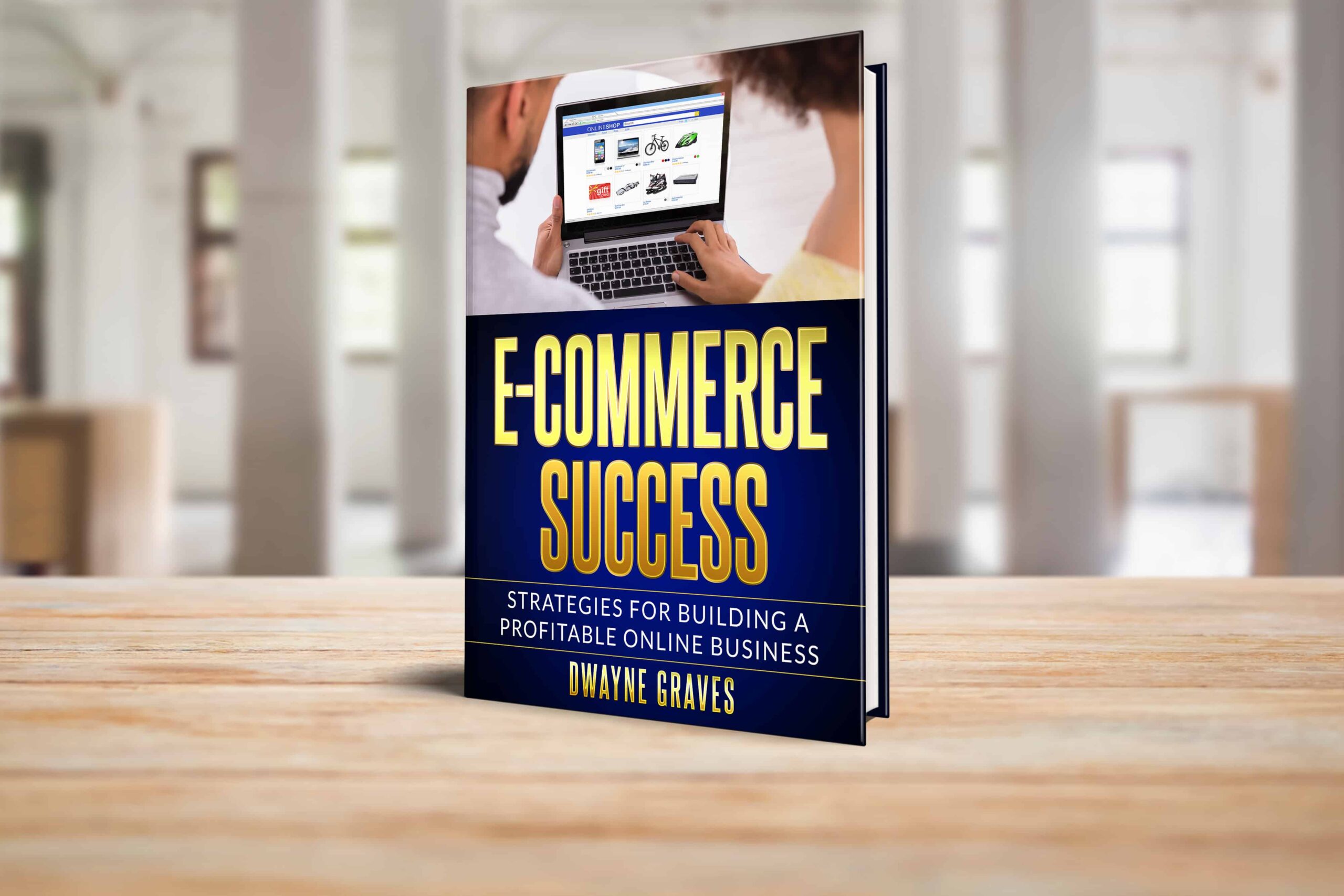

You’ve probably thought about this already. Build a website, create a simple page, maybe sell a course or digital product online without writing a single

Most business owners look at their profit and loss statement only when tax season rolls around or when their accountant asks for it. I understand
If you run a business, people will look you up. They do it before they call. They do it before they buy. They do it