How to Use Profit and Loss Statements to Grow Your Business in a Strategic Way
Most business owners look at their profit and loss statement only when tax season rolls around or when their accountant asks for it. I understand

This guide focuses on a simple five-minute setup that anyone can follow. You will see that blogging doesn’t need to feel overwhelming. You don’t need to be perfect. You just need to start.
And here is something encouraging. Many beginners delay blogging for months because they think it will be hard. I once talked to someone who spent half a year planning their blog.
They researched names. They watched tutorials. They bought notebooks. They made lists. Then one day, they followed a simple five-minute setup. They got their blog running before their coffee cooled. They later said that they wished they had started earlier.
Let me say this clearly. You can start a blog today. You can start fast. You can start even if you doubt yourself. Let’s walk through everything step by step!
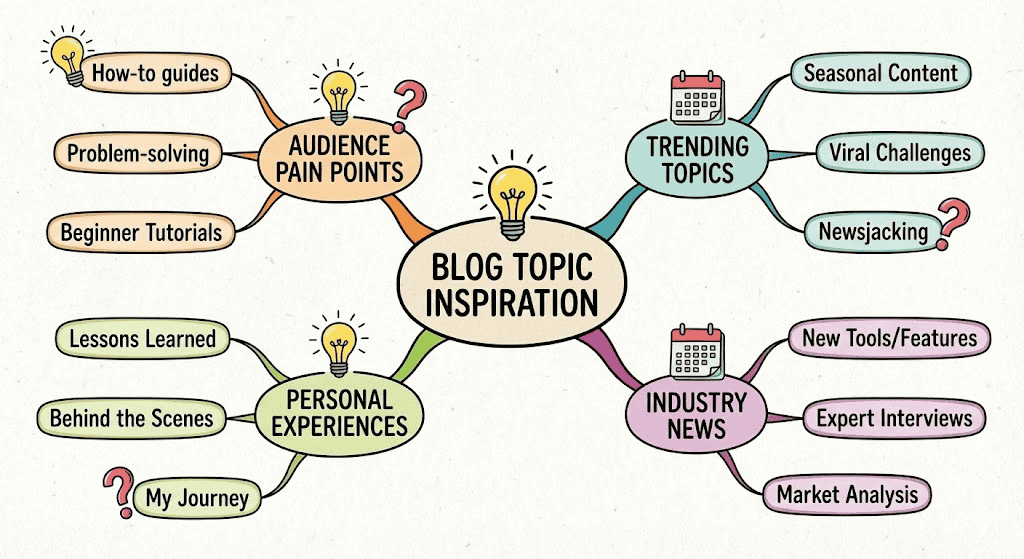
Many beginners get stuck right here. They worry too much about choosing the perfect niche. They feel pressure. They want the blog to be perfect from day one.
But choosing a topic is not something you should overthink. You can start simple and evolve as you go. Here are some easy blog topic ideas you can choose from:
The best approach is to choose something that feels natural to you. Something that feels easy to talk about. Something that feels fun.
Pick something you enjoy. Write about topics you already talk about.
Here is a simple quote that many new bloggers find helpful:
Clarity comes from doing, not thinking.
You do not need your topic to be perfect. You only need a starting point.
Imagine someone who loves taking pictures of food. They post their meals on social media all the time. They enjoy trying new recipes.
They get excited about kitchen tools. That person can start a cooking blog in minutes. They do not need a big plan.
They can simply post a recipe, share a story about a meal, or list their favorite dishes of the week. Starting is enough.
The platform you choose will decide how easy the setup feels. Some platforms are designed for beginners. Some are created for long term growth.
Here are beginner friendly platforms and why they work well:
Each platform has something helpful to offer. The best one for you is the one that matches your goals.
Easy setup.
Ready templates.
Beginner friendly tools.
If you want the fastest setup choose Medium or Blogger. If you want long term full control choose WordPress.
Someone who wants a long term brand should pick WordPress. Someone who wants to start writing today should pick Medium. Both work. The difference is how much flexibility you want.

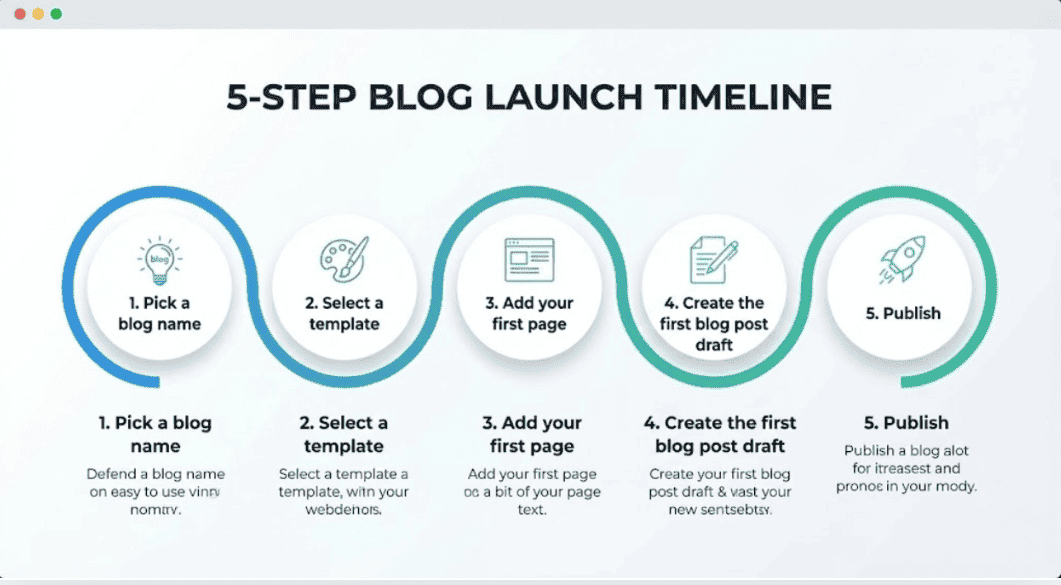
This is the part that surprises people. The setup can truly take five minutes. You do not need to build everything at once. You do not need ten pages. You only need the basics.
Here are your simple five minute steps:
These steps are simple. They are fast. They do not require any skills.
Blog setup is easy.
You can do it even if you feel nervous.
Let’s say you decide to use WordPress. Picking a name takes thirty seconds. Choosing a template takes one minute. Adding a page takes one more minute. Writing a quick draft takes two minutes. Pressing publish takes one second. That is your five minutes.
Most people spend more time refreshing their social media feed than setting up their blog.
This part scares beginners the most. You open the editor and freeze. You wonder what to say. You doubt yourself. You feel pressure to be perfect. The best way to avoid this feeling is to start simple.
Here are simple first post ideas you can use:
These ideas are easy to write about. You already know these things. They come from your own experience.
You can also format your post in helpful ways. Use bold for important ideas. Use italics for emphasis. Use bullet lists for clarity. Use quotes to highlight key messages.
Here is a simple storytelling example. Imagine you started a fitness blog. Your first post could talk about the moment you decided to improve your health.
Maybe it was a walk up the stairs that felt too hard. Maybe it was a picture you saw of yourself. Maybe it was the desire to feel better. That story helps readers relate to you.
Write first and edit later. Do not stop every sentence. Finish the draft. Polish it after.
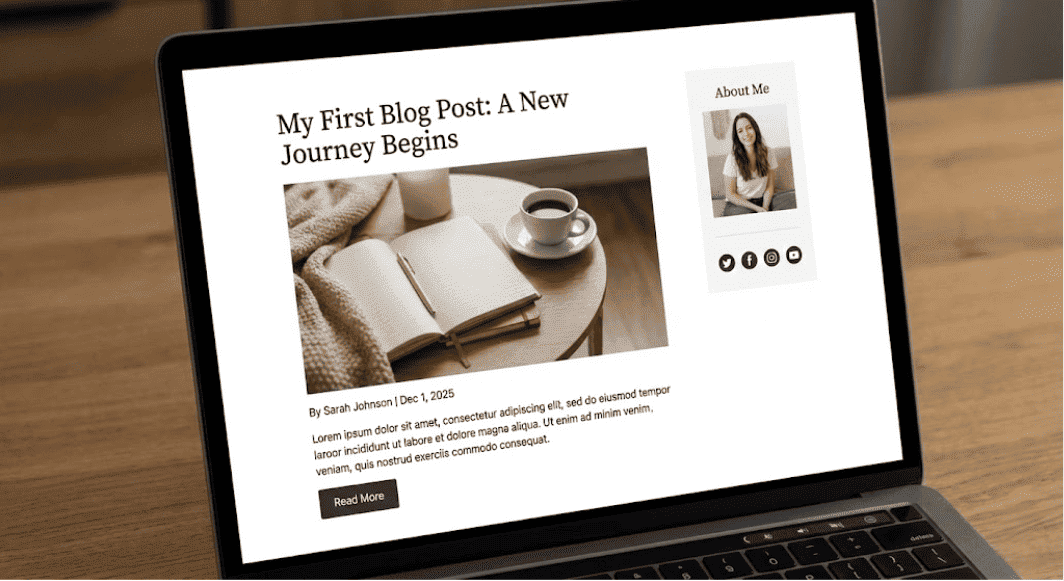
Many beginners think they need a fancy design. But the truth is that simple blogs perform better. Clean design helps readers focus. You do not need animations. You do not need complicated layouts. You only need clarity.
Here are simple improvements you can make:
Keep your design simple. Do not worry about perfection. You can always change things later.
Clarity is more important than style. Readability is more important than decoration.
Your design does not need to be fancy. It only needs to be clear. A simple layout makes your blog feel professional and trustworthy.

Starting a blog should feel easy. It should feel fun. It should feel like a small step that opens big opportunities. You do not need to wait months.
You do not need to learn complex tools. You can start today. You can start in minutes. You can start even if you have doubts.
Blogging is a journey. The first step is the most important step. Starting fast builds momentum. You will improve as you go. You will learn as you write. You will grow with your blog.
Remember this. You can start now. And remember one more thing. Your blog becomes real the moment you hit publish.
If you want, I can now create a featured image, SEO meta description, or social media captions for this article.
Most business owners look at their profit and loss statement only when tax season rolls around or when their accountant asks for it. I understand
If you run a business, people will look you up. They do it before they call. They do it before they buy. They do it
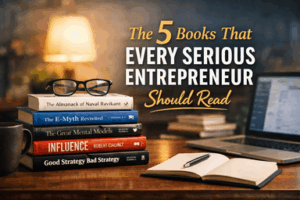
Entrepreneurship is often portrayed as action-driven. Build faster. Launch sooner. Execute relentlessly. While action is essential, action without informed thinking often leads to unnecessary mistakes.