
It also gives you confidence to move forward with clarity and focus. The best part? Anyone can validate a business idea. You don’t need expensive tools or years of experience to start testing.
Through this guide we’ll break validation into five simple and practical steps. Follow them, and you’ll know if your idea is truly worth pursuing.

Step 1: Talk to People About Your Idea
The easiest way to test your idea is by talking directly to people. Conversations give you honest feedback and help you understand real needs.
You don’t need a fancy survey; just simple questions and genuine curiosity. Here’s how you can move forward:
Ask Friends and Family
Start with friends and family, since they’re easy to reach. Share your idea and ask if they’d use or buy it. Honest opinions from close contacts give you valuable first impressions quickly.
Join Online Communities
Expand feedback by joining Facebook groups or Reddit communities. These spaces are full of people already interested in specific niches. Ask simple questions about challenges and listen closely to recurring responses.
Focus on Real Pain Points
The goal is to confirm if your idea solves a real problem. If multiple people say yes, you’re moving in the right direction. If feedback is negative, adjust the idea before investing time.

Step 2: Check If People Are Searching for It
After talking to people, the next step is checking market demand. If nobody is searching for your idea, growth will be difficult. Luckily, there are free tools to help you spot interest.
Google Trends
Google Trends shows if people search for your idea consistently. Steady or rising searches indicate long-term interest and potential demand.
Amazon Bestsellers
Amazon Bestsellers reveal products already selling well in your niche. If similar products are thriving, it signals strong market opportunities exist.
Social Media Hashtags
Check hashtags on platforms like TikTok, Instagram, or Twitter. Popular hashtags show people actively discussing and engaging with your idea.
Combining these tools helps confirm if people are truly interested. Strong demand signals mean your idea is worth pursuing further.

Step 3: Look at the Competition
Competition is not a bad thing; it proves demand already exists. Study competitors to learn what works and what doesn’t.
Start by checking what products or services they currently sell. Pay attention to how they price their offers and present value.
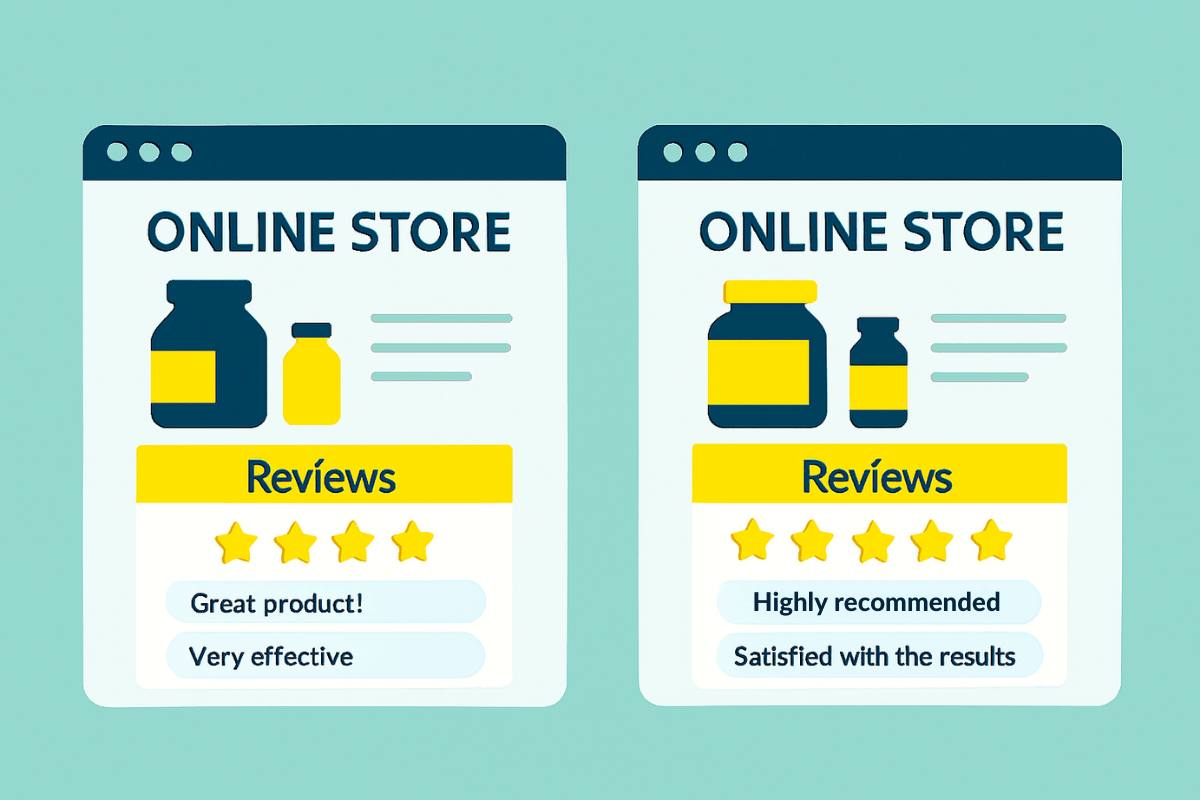
Look at customer reviews because they reveal strengths and weaknesses clearly. Positive reviews show what people appreciate and expect from a business.
Negative reviews highlight frustrations and unmet needs waiting for better solutions. These gaps are opportunities where your business can stand out.
Also, check how competitors market themselves on websites and social media. Notice what they emphasize and how customers respond to their messaging.
Know your competition to avoid mistakes and position yourself smarter. The goal is not to copy but to improve on what exists. When you see patterns in feedback, you know where to focus.
Step 4: Run a Small Test Before Going Big
Instead of building a full business immediately, launch a small test first. A mini version helps you measure interest without wasting big resources. Real-world results are the best validation compared to endless guessing.
Smart Ways to Test
- Create a landing page with a simple pre-order button. See if people sign up before you invest further.
- Sell a small batch of products instead of ordering huge inventory. This lets you measure demand without major financial risk.
- Offer a free trial version of your service to test user interest. Feedback will show if customers find value in your solution.
Why Small Tests Work
Running small tests gives you quick feedback before committing full-time. If people respond positively, you gain confidence to grow bigger.
If results are weak, you can pivot without heavy losses. Small tests save time, money, and energy while proving demand. Ensure your idea is practical before scaling into a full business.

Step 5: Collect Feedback and Adjust
Testing your idea is only the beginning of the validation process. What truly matters is learning from early users and improving over time. No idea comes out perfect, and small changes can create big impact.
Ask for Honest Feedback
Reach out to early customers and ask for detailed feedback. Encourage them to share what they liked and what confused them. Listen carefully to their words because real users highlight hidden issues quickly.

Focus on What Can Be Improved
Take note of suggestions about features, pricing, or user experience. Small adjustments often make your idea more appealing to a wider audience. Don’t take criticism personally; use it as a tool for growth.
Keep Iterating
Validation is not about perfection but about constant refinement. Each round of feedback moves you closer to a stronger business model. When people see you improving, they trust your brand even more.
Build with Your Customers
Involving customers early makes them feel part of the process. They’ll be more loyal because they helped shape the product. This approach builds both trust and stronger long-term customer relationships.
Collect feedback and make adjustments, which will help you keep your business practical and customer-focused.

Conclusion
Validation doesn’t need to be complicated or overwhelming at all. With just five simple steps, anyone can test their business idea.
Talking to people, checking demand, and studying competitors make everything clearer. Running small tests ensures you don’t risk time or heavy money.
Collecting feedback helps you adjust and improve quickly without wasting effort. These steps protect you from building something nobody actually wants.
Validation gives confidence, direction, and proof before scaling your business further. With consistent testing, you’ll avoid mistakes and move toward success faster.