
Saving money in the early stages is not about being fearful or restrictive. It is about protecting your ability to learn, adjust, and improve without pressure. A business with time has flexibility. A business without it is forced into short-term thinking.
This article is about building that flexibility. It explains how to reduce unnecessary costs, avoid common financial traps, and spend intentionally while your business is still fragile. The goal is not to spend as little as possible, but to spend wisely so that every dollar supports learning and progress.

Why Saving Money Early Matters More Than Making Money Fast
Most Early Businesses Fail Due to Cash Burn, Not Bad Ideas
Many founders assume that businesses fail because they cannot generate revenue. In practice, failure usually happens earlier and more quietly. The business runs out of money before it figures out what works.
Cash burn happens when spending continues without enough feedback or return. Tools pile up. Subscriptions renew. Contractors are paid. Ads run without clarity. The business looks active, but learning stalls.
When money is limited, every expense carries weight. That weight forces questions. Is this necessary? Is this helping? Can this wait?
Those questions protect the business.
Savings Extend Learning Time
Every early business is an experiment. You are testing assumptions about customers, pricing, messaging, and delivery. None of these is clear at the start.
Saving money increases your runway. Runway is the amount of time your business can operate before funds run out.
A longer runway allows:
- More iterations without panic
- Time to listen to customers
- Space to fix mistakes instead of abandoning the idea
- Decisions based on data instead of desperation
Learning takes time. Saving money buys that time.
Revenue Pressure Distorts Decisions
When revenue becomes the only priority, founders often make poor choices. They chase quick wins, discount too aggressively, or accept misaligned customers just to survive.
These choices may generate short-term cash, but they often damage long-term viability.
A business with financial breathing room can:
- Say no to bad opportunities
- Focus on building something meaningful
- Improve quality without rushing
- Think in months instead of days
Cost Awareness Is a Strategic Advantage
Being careful with money is often mistaken for a lack of ambition. In reality, it is a sign of strategic thinking.
Founders who understand their costs:
- Know what actually moves the business forward
- Are less reactive to trends
- Maintain emotional control under pressure
- Build confidence through clarity
Saving money early is not about shrinking ambition. It is about protecting it.

The Difference Between Necessary Costs and Noise Expenses
Why New Founders Confuse Wants With Needs
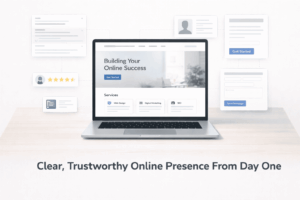
When starting out, everything feels important. Professional design. Premium tools. Advanced software. These purchases feel like progress because they look like progress.
The problem is that many of these expenses do not help you learn faster or serve customers better in the beginning.
Founders often buy to feel ready instead of to become ready.
What Truly Essential Expenses Look Like
Essential costs are expenses that allow the business to exist and operate at a basic level.
Common essential categories include:
Hosting and infrastructure
A basic website or platform that allows customers to find you and engage with your offer.
Core tools
One or two tools that directly support delivery, communication, or payment.
Legal basics
Simple registration or compliance is required to operate legitimately.
These expenses support functionality, not appearance.
Noise Expenses That Drain Budgets Early
Noise expenses feel helpful but provide little return early on.
Examples include:
- Premium branding packages
- Expensive design before validation
- Advanced analytics tools
- Multiple overlapping software subscriptions
These expenses do not create clarity. They often delay action.
Necessary Versus Noise Comparison
| Necessary Costs | Noise Expenses |
| Enable basic operation | Improve appearance only |
| Support learning | Delay experimentation |
| Low commitment | High fixed cost |
| Easy to change | Hard to undo |
Spending Should Match Business Stage
Early businesses need feedback more than polish. Spending should reflect that priority. If an expense does not improve learning or delivery, it can likely wait.
Why Starting Small Beats Starting Polished
The Temptation of Perfection
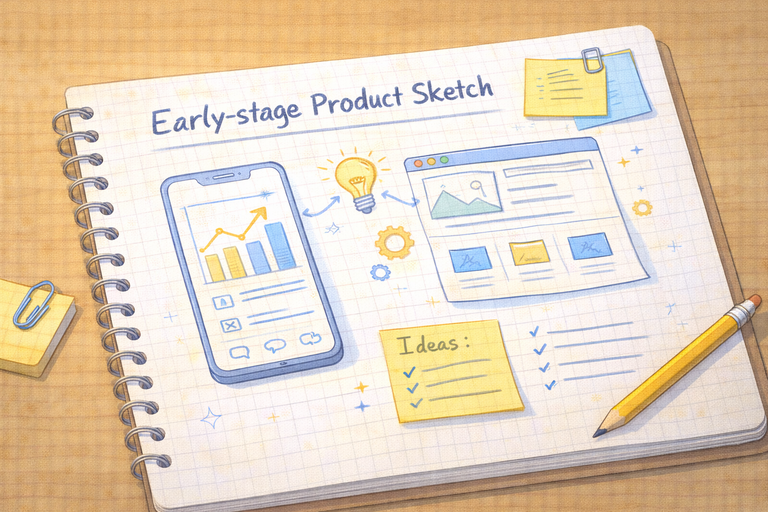
Many founders want their business to look established from day one. They believe credibility comes from polish. As a result, they delay launching until everything looks perfect.
This approach feels safe, but it carries hidden costs.
Polished Assets Delay Learning
Perfection slows feedback. The longer you wait to share something real, the longer you wait to learn.
Polished assets often:
- Lock you into early assumptions
- Increase emotional attachment to ideas
- Make change feel expensive
- Create fear of criticism
Rough versions invite feedback. Perfect versions resist it.
Functional Beats Beautiful Early On
Early success depends on function, not appearance.
Functional beginnings focus on:
- Solving a real problem
- Communicating clearly
- Delivering value consistently
- Improving based on the response
Design and polish matter later, after clarity is earned.
A Short Example of Early Iteration Success
Consider a founder who launches a simple service using plain text pages and manual delivery. Early conversations reveal a different customer need than expected. Because nothing is overbuilt, the offer is adjusted quickly.
If the same founder had invested heavily in branding and automation, that pivot would have been painful and expensive.
Small beginnings allow flexibility.
Starting Small Protects Momentum
When expectations are modest, progress feels faster. Wins feel meaningful. Adjustments feel normal. Starting small creates movement. Movement creates learning. Learning creates confidence.

Spending Time Instead of Money When Cash Is Tight
Understanding the Tradeoff Between Time and Capital
Every business operates with two primary resources: time and money. When money is limited, time becomes the currency that allows progress to continue.
Many early-stage founders overlook this tradeoff and attempt to substitute money they do not have for skills they have not yet developed.
Spending time instead of money is not about doing everything forever. It is about building competence before buying convenience.
Why Learning Basic Skills Saves Money Long Term
Founders who invest time early gain more than cost savings. They gain understanding. That understanding improves decision-making later when outsourcing or scaling becomes necessary.
Early skills worth developing include:
Content creation
Learning how to write clearly, record simple videos, or explain ideas publicly reduces reliance on paid creators and agencies.
Customer outreach
Direct communication through emails, messages, or calls builds insight that no tool can replace.
Simple analytics
Understanding basic metrics such as traffic sources, engagement, and conversions prevents blind spending later.
These skills compound. Once learned, they continue to pay dividends.
Time Investment Builds Confidence and Independence
When founders rely entirely on paid help early, they often feel disconnected from their own business. Decisions become harder because the underlying mechanics are unclear.
Time spent learning creates:
- Better judgment
- Fewer costly mistakes
- Clearer priorities
- Confidence under pressure
Spending time early is not a delay. It is preparation.

Marketing Without a Budget and Why It Still Works
Why Early Marketing Should Focus on People, Not Platforms
New founders often believe marketing requires ads, automation, and reach. In reality, early marketing is about conversations.
People buy from those they trust. Trust forms through interaction, not exposure. Marketing without a budget works because it prioritizes connection over scale.
Organic Methods That Build Real Traction
Several organic approaches consistently work in the early stages:
Conversations
One-on-one discussions reveal pain points and validate messaging faster than any campaign.
Content
Simple educational or reflective content attracts people who resonate with the problem being solved.
Community participation
Engaging thoughtfully in existing communities builds visibility without selling.
These methods cost time, not money.
Why Organic Effort Produces Better Learning
Paid marketing can hide flaws by driving attention temporarily. Organic marketing exposes weaknesses immediately.
When no one responds:
- The message may be unclear
- The problem may not be urgent
- The audience may be misidentified
This feedback is valuable and free.
A Short Example of Organic Traction
A founder shares lessons learned while solving a specific problem. Comments turn into conversations. Conversations turn into requests for help. A simple paid offer emerges naturally.
No ad spend. No automation. Just alignment. Organic traction builds foundations that paid growth later amplifies.

Avoiding Expensive Mistakes That Drain Budgets Fast
Why Costly Mistakes Happen So Easily
Early-stage founders operate under uncertainty. They lack benchmarks, experience, and feedback. This makes them vulnerable to spending decisions driven by fear, comparison, or urgency. Mistakes are common. Preventable ones are expensive.
Common Costly Mistakes
Overbuying software
Subscribing to multiple tools before understanding actual needs.
Hiring too early
Bringing in help before processes are clear or demand exists.
Running ads without validation
Spending money to amplify an unproven offer or message.
Why These Mistakes Feel Rational at the Time
These actions often feel responsible. Software promises efficiency. Hiring promises relief. Ads promise growth. The problem is timing. Without clarity, these investments amplify confusion instead of solving it.
The Value of Pausing Before Spending
A short pause before any expense creates space for better decisions.
Helpful pause questions include:
- What problem does this solve right now
- What happens if I wait thirty days
- Is this expense reversible
- Does this improve learning or just appearance
Takeaway
Money is lost quickly through unexamined decisions. Awareness protects capital better than optimism.

When Outsourcing Makes Sense and When It Does Not
Why Outsourcing Too Early Often Backfires
Outsourcing is attractive because it promises speed. However, without understanding the task yourself, you cannot judge quality, scope, or effectiveness.
Early outsourcing often leads to:
- Misaligned expectations
- Rework costs
- Dependency without understanding
- Wasted spending
Tasks That Are Better Learned First
Founders benefit from hands-on experience with:
- Marketing basics
- Customer communication
- Content creation
- Offer delivery
This experience creates context.
Tasks Worth Outsourcing Later
Some work becomes more efficient when outsourced at the right time.
Examples include:
- Specialized legal work
- Complex accounting
- Advanced design or development
By this stage, the founder understands what to ask for and how to evaluate results.
Ownership Before Delegation
Ownership creates clarity. Clarity enables effective delegation. When founders understand a task, outsourcing becomes a multiplier instead of a crutch.
Takeaway
Outsourcing works best after understanding, not before. Control follows knowledge.

Keeping Personal and Business Finances Clean From Day One
Why Mixing Finances Creates Hidden Problems
One of the most common early mistakes founders make is mixing personal and business finances. This usually happens out of convenience.
A personal card is used for business expenses. Income goes into the same account used for daily spending. At first, this feels harmless.
Over time, this creates confusion and risk.
When finances are mixed:
- It becomes hard to understand true business costs
- Cash flow is unclear
- Tax preparation becomes stressful
- Decision-making loses accuracy
Financial clarity is impossible without separation.
The Psychological Benefit of Separation
Separate finances create a mental boundary between personal life and business operations. This boundary improves discipline.
Founders who separate finances:
- Treat business decisions more objectively
- Avoid emotional spending
- Gain confidence in numbers
- Reduce stress during reviews
Clarity reduces anxiety.
Simple Steps to Keep Finances Clean
You do not need complex systems early. Simple habits are enough.
Recommended early steps:
- Open a separate business account
- Use one card for business spending
- Track income and expenses monthly
- Keep receipts organized digitally
Simple Tracking Beats Perfect Accounting
Early bookkeeping does not need to be detailed. It needs to be consistent.
| Good Enough Early | Too Complex Early |
| Monthly expense tracking | Daily detailed categorization |
| Simple spreadsheets | Advanced accounting software |
| Clear totals | Over analysis |
The goal is visibility, not perfection.

Budgeting for Learning, Not Just Tools
Why Education Often Delivers Better Returns Than Tools
Tools promise efficiency. Education improves judgment. Many founders spend heavily on software, hoping it will compensate fora lack of experience. In reality, tools magnify whatever system exists. If the system is weak, the result is expensive confusion.
Learning improves:
- Decision quality
- Strategy
- Execution
- Adaptability
These benefits compound.
What Smart Educational Spending Looks Like
Not all education is valuable. Serious founders choose carefully.
High-value learning investments include:
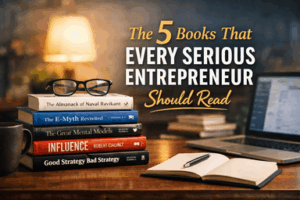
- Books that teach principles, not tactics
- Courses that focus on fundamentals
- Mentorship that encourages thinking, not dependence
Applying What You Learn Matters More Than Consuming
Education only pays off when applied.
Helpful habits include:
- Taking notes in your own words
- Testing one idea at a time
- Reviewing what worked and what did not
- Revisiting material as experience grows
Knowledge Compounds When Used
Unlike tools that expire or become obsolete, knowledge improves with use.
Founders who invest in learning:
- Make fewer expensive mistakes
- Adapt faster to change
- Rely less on external help
- Build confidence through understanding
Takeaway
Money spent on learning returns value long after tools are replaced.

How Discipline Creates Freedom Later in the Business
The Misunderstood Role of Discipline
Discipline is often viewed as a restriction. In business, discipline creates options. Early discipline around spending prevents future stress. It removes urgency from decision-making and allows founders to move deliberately.
How Controlled Spending Builds Flexibility
When costs are low and predictable:
- Pressure decreases
- Cash flow stabilizes
- Risk tolerance improves
- Strategic thinking expands
Freedom is not created by spending more. It is created by needing less.
The Value of Regular Budget Reviews
Budget reviews are not about cutting for the sake of cutting. They are about awareness.
Effective reviews:
- Identify unnecessary recurring costs
- Reveal spending patterns
- Highlight inefficiencies
- Reinforce intentional behavior
Monthly reviews are usually enough early on.
Calm Growth Comes From Control
Businesses that grow calmly make better decisions. They do not rush. They do not panic. They do not chase trends blindly. Discipline early creates confidence later.

Final Thoughts on Building Smart Without Burning Cash
Saving money when starting an online business is not about fear or limitation. It is about building intelligently while the business is still fragile. Every early decision shapes how much time, flexibility, and confidence you have later.
Spending intentionally allows learning to happen without pressure. It protects the runway and reduces emotional decision-making. It creates space to test ideas, listen to customers, and adjust direction without panic.
Frugal does not mean cheap. It means thoughtful. It means choosing progress over appearance and understanding over speed. The goal is not to avoid spending forever, but to spend when clarity exists.
Businesses that last are rarely built by those who spend the fastest. They are built by those who learn the fastest while protecting their ability to continue. Steady, confident action guided by awareness creates momentum that no amount of reckless spending can replace.
Building smart from the beginning is one of the quiet advantages that compounds over time.