

After reading this, you’ll clearly know which host suits you better. Let’s dive into the details and find your perfect hosting match.
A Quick Look at HostGator
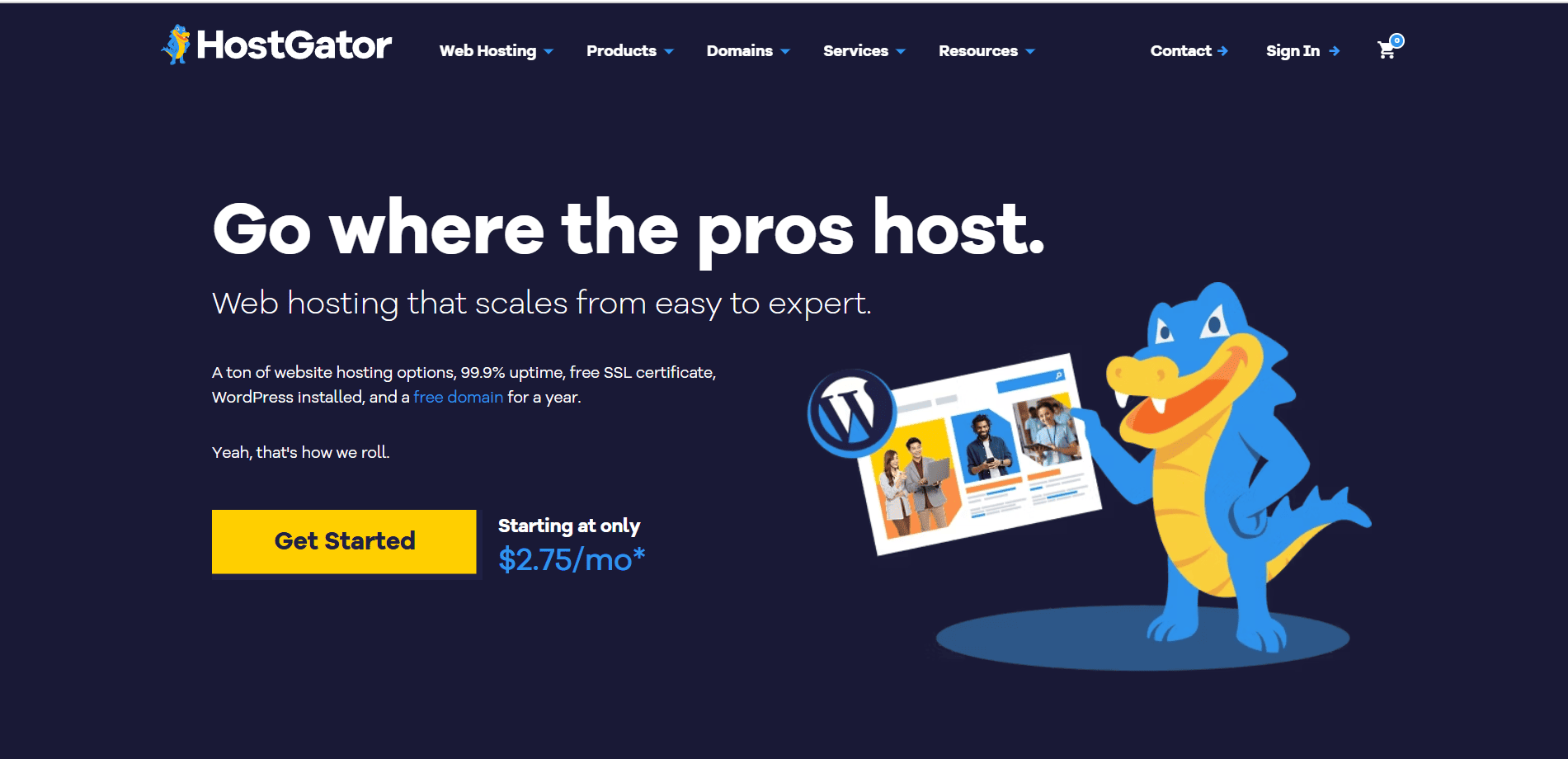
HostGator is one of the most popular hosting providers around. It’s known for being simple, affordable, and great for beginners. If you’re just starting, HostGator gives everything you need.
Budget-Friendly Plans
HostGator’s shared hosting starts at a very low monthly price. You get free SSL, one-click installs, and unmetered bandwidth. It’s ideal for small websites, blogs, or personal projects.
Easy to Use
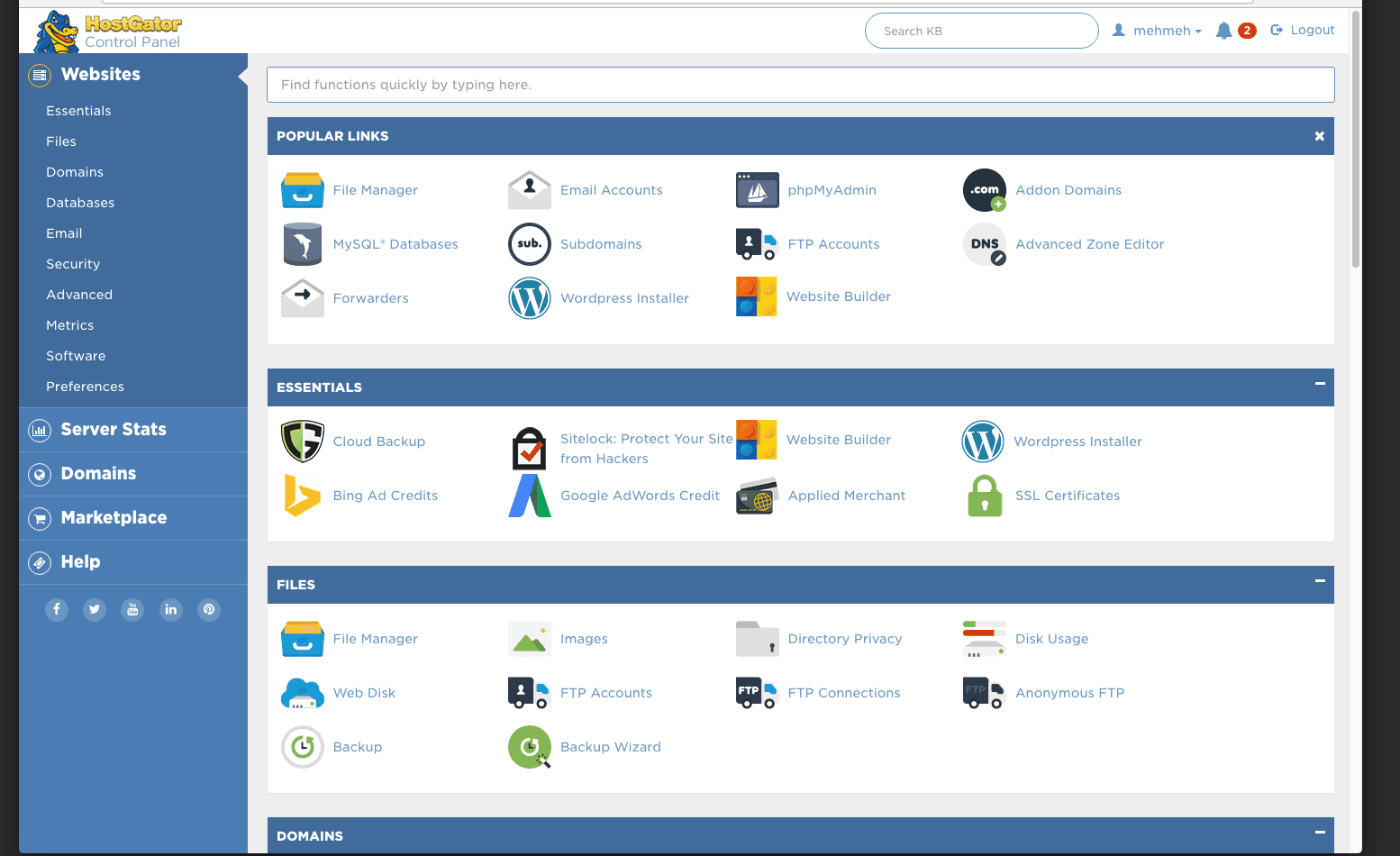
The dashboard is clean and simple, even for first-time users. You can install WordPress in one click easily. cPanel access makes managing files and databases very beginner-friendly too.
Reliable Uptime and Performance
HostGator promises 99.9% uptime, keeping your site running smoothly. Its servers are stable and work well for everyday web needs.
24/7 Customer Support
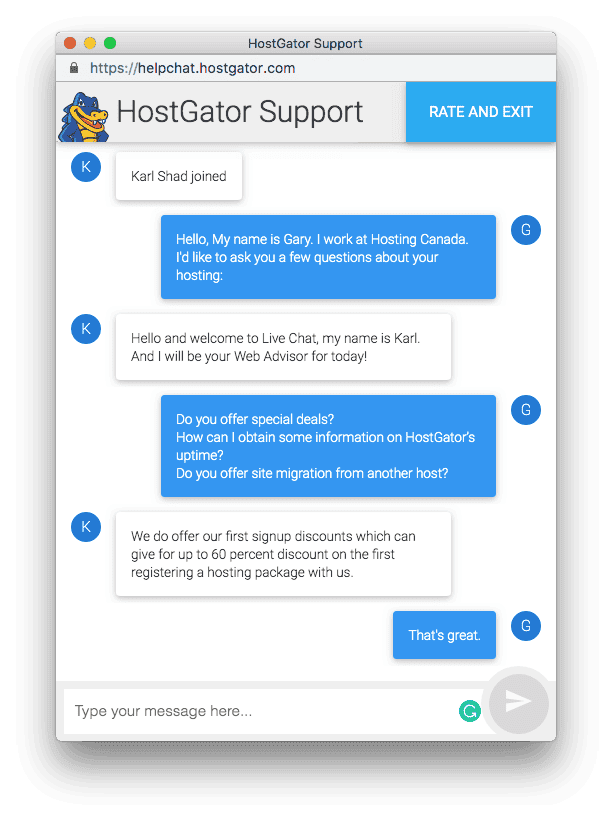
Live chat and phone support are available around the clock. That’s helpful if you need fast help setting something up.
Overall, HostGator works best for users who want low-cost hosting. It’s a solid choice if you’re starting small and growing slowly.
A Quick Look at SiteGround
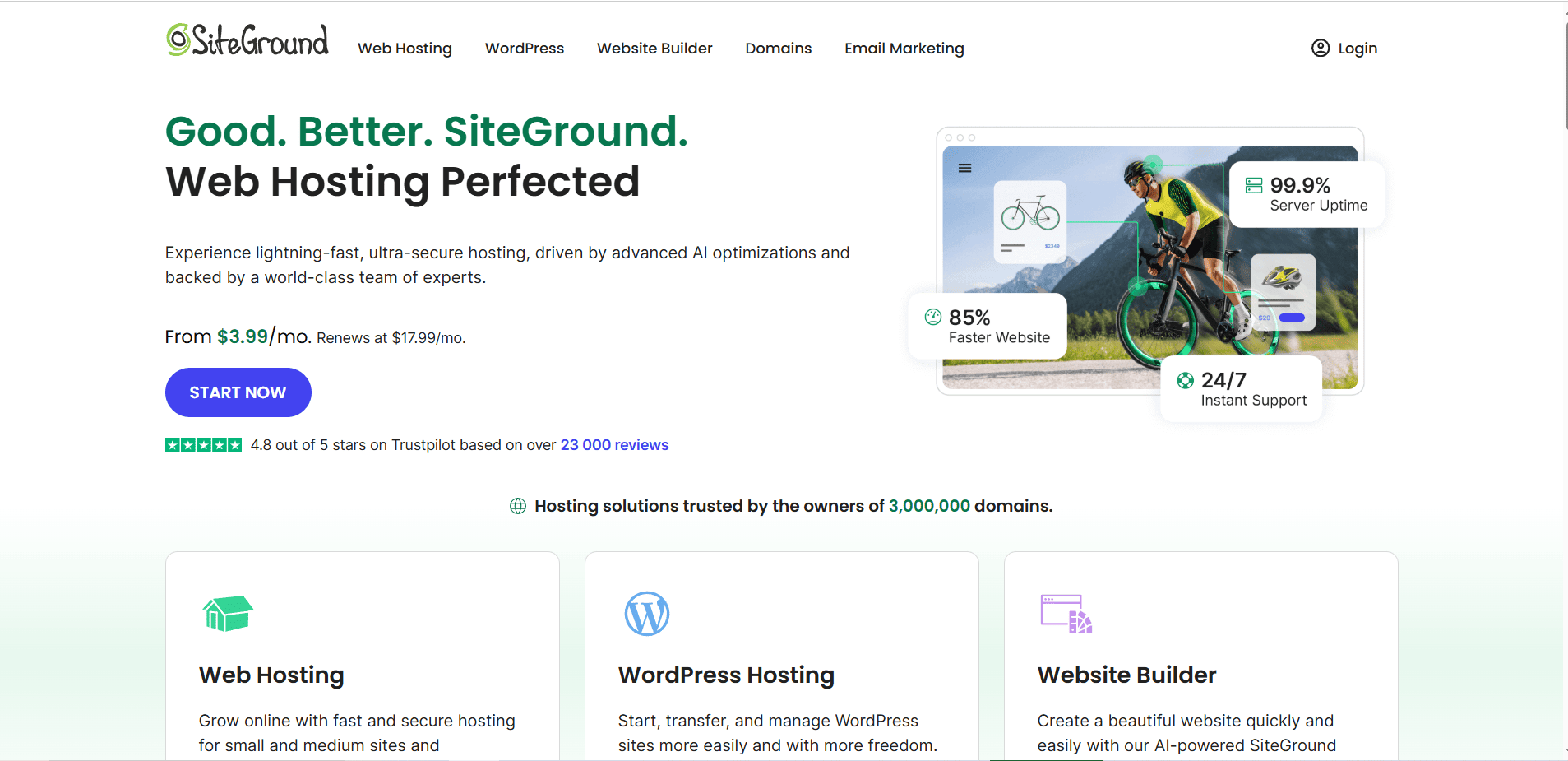
SiteGround is a premium hosting provider known for high performance. It focuses on speed, security, and customer support. Many WP users love it for its managed hosting features.
Fast and Optimized for Speed
SiteGround uses Google Cloud servers for faster load times. It also includes built-in caching to boost site speed. You’ll notice quicker performance compared to standard shared hosting plans.
Managed WordPress Hosting
SiteGround offers automatic updates, backups, and daily security checks. It’s great for users who want easy maintenance. One-click staging and Git integration are included for developers.
Strong Security Features
Each account is isolated for better protection. SiteGround also includes a free SSL, anti-bot tools, and daily backups. Security is handled in the background without slowing your site down.
Responsive Customer Support
SiteGround has fast, helpful support through chat, phone, and tickets. Their team is known for solving problems quickly and professionally.
SiteGround costs more than HostGator but delivers more performance. It’s best for users who value speed, security, and reliability first. If your site is growing, SiteGround is worth it.
Which One Saves Your Money?
Price matters when picking the right hosting. HostGator and SiteGround both offer shared hosting, but at different prices. If you’re on a tight budget, HostGator may be the better choice.
HostGator: More for Less
HostGator’s plans are cheaper, especially for long-term commitments. You get unmetered bandwidth, free SSL, and one-click WordPress installs. Even its starter plan includes a free domain for the first year.
SiteGround: Premium Features at a Cost
SiteGround offers advanced speed and security features. However, it’s more expensive, especially after the first year ends. Renewal rates are much higher than HostGator’s standard pricing.
What Do You Really Need?
If you’re launching a personal site or a small business blog: HostGator gives solid performance at a lower monthly cost.
If your site needs more speed, uptime, or managed support: SiteGround justifies its price with premium-level features.
Side-by-Side Pricing Comparison
| Hosting Plan | HostGator (Start) | SiteGround (Start) |
| Intro Price | $2.75/month | $3.99/month |
| Renewal Price | $10.99/month | $17.99/month |
| Free Domain | Yes (1 year) | No |
| Free SSL | Yes | Yes |
| Managed WordPress | Basic | Yes |
In short, HostGator saves money upfront and offers decent value. SiteGround is more expensive but adds speed and performance perks.
Which Is Best for Speed and Uptime
Speed and uptime matter a lot for your site’s success. Slow websites frustrate users and lower your search rankings fast. Both HostGator and SiteGround are known for being reliable hosts.
SiteGround: Slightly Faster Overall
SiteGround is built for speed with premium cloud infrastructure. It uses Google Cloud, SSD storage, and custom caching systems.
Sites load quickly, even under heavy traffic or large content loads. You also get daily backups and proactive server monitoring for uptime.
HostGator: Great Speed for the Price
HostGator might not be as fast as SiteGround’s premium setup. But it still delivers solid speed and reliable uptime consistently.
It uses a global CDN, free SSL, and decent server response time. For most users, HostGator’s performance is more than good enough.
Verdict:
- SiteGround is slightly faster with better high-performance tools.
- HostGator gives reliable speed without the premium price tag.
So if you’re launching a basic site or blog, choose HostGator. For sites needing top-tier speed and uptime, go with SiteGround.

Which One Is Easy to Use
Both hosts are user-friendly, but one is better for beginners. HostGator has a simple dashboard that’s easy to learn and use. You get cPanel access, 1-click installs, and a smooth setup.
Even first-time users can manage domains, emails, and files easily. It also includes a drag-and-drop website builder for quick site design.
SiteGround uses a custom interface instead of standard cPanel. It looks clean, but it may feel unfamiliar to some users.
You’ll need a short learning curve to find the key features. That’s fine for pros, but beginners may feel slightly overwhelmed.
Verdict:
HostGator is ideal for beginners who want a simple interface. SiteGround is powerful but better for those with some experience.
Customer Support – Who Helps You Faster?
Customer support can save time when things go wrong unexpectedly. HostGator and SiteGround both offer 24/7 customer support services.

HostGator is known for fast replies via live chat and phone. You usually get help within a few minutes during peak hours.
They handle common issues like billing, setup, and email problems fast. SiteGround’s support team is very knowledgeable and polite as well.
They tend to go deeper into tech help and custom solutions. However, wait times can be longer, especially with complex issues.
Verdict:
HostGator is faster for live chat and general support needs. SiteGround offers deeper help but may take more time. If speed matters, HostGator support is quicker and more responsive.
Conclusion
HostGator is a solid pick for beginners and small businesses. It offers easy tools, low prices, and helpful customer support. You get everything you need without paying a high monthly fee.
Its user-friendly dashboard makes managing your website simple and fast. HostGator also includes features like free SSL, email, and website builder.
The uptime and speed are strong for most personal and business sites. If you’re on a budget and want good value, choose HostGator. It’s ideal for first-time users who want a full hosting.
SiteGround is great too, but it’s more for advanced users. For ease, savings, and support, HostGator wins for most beginners.